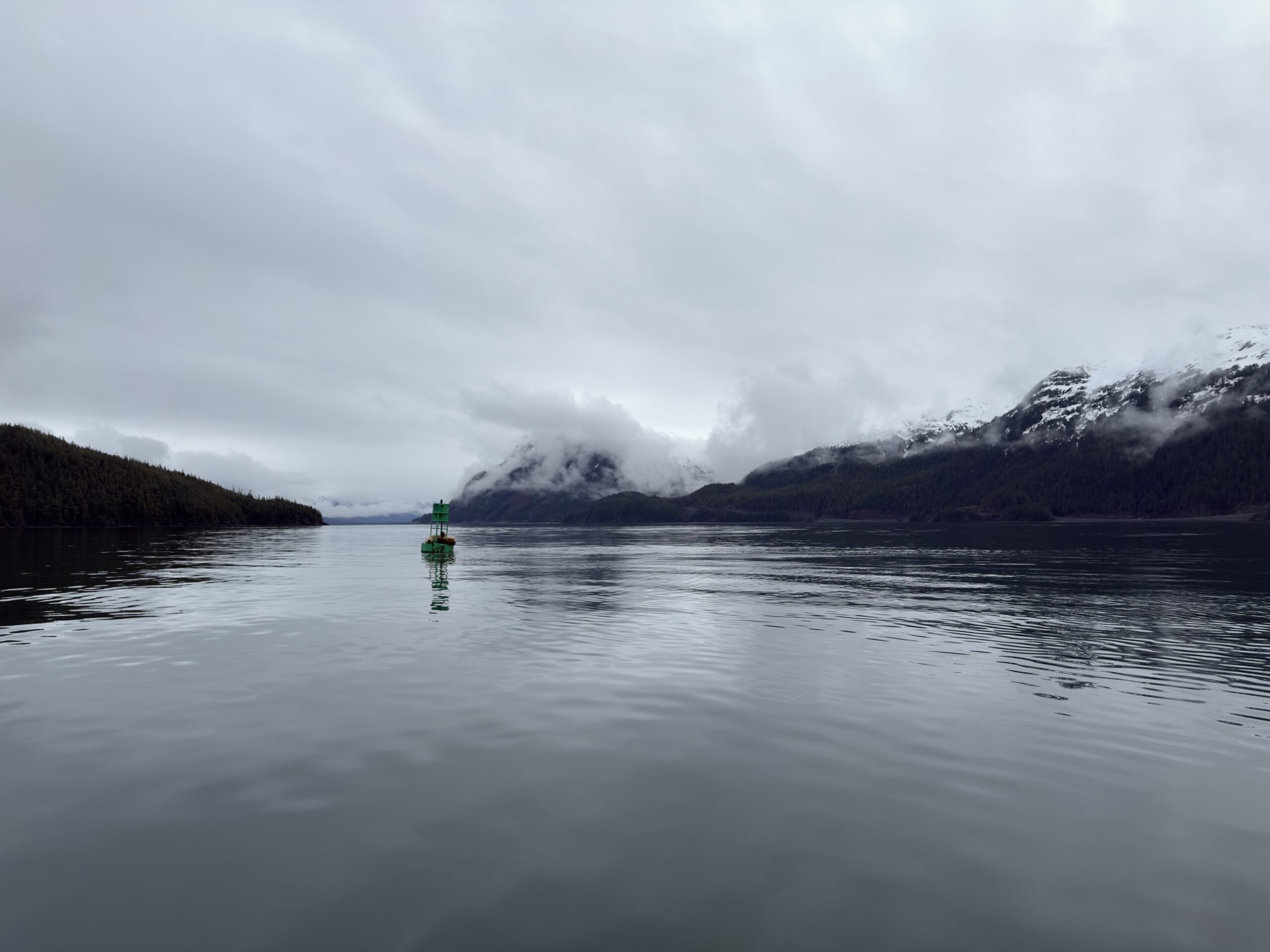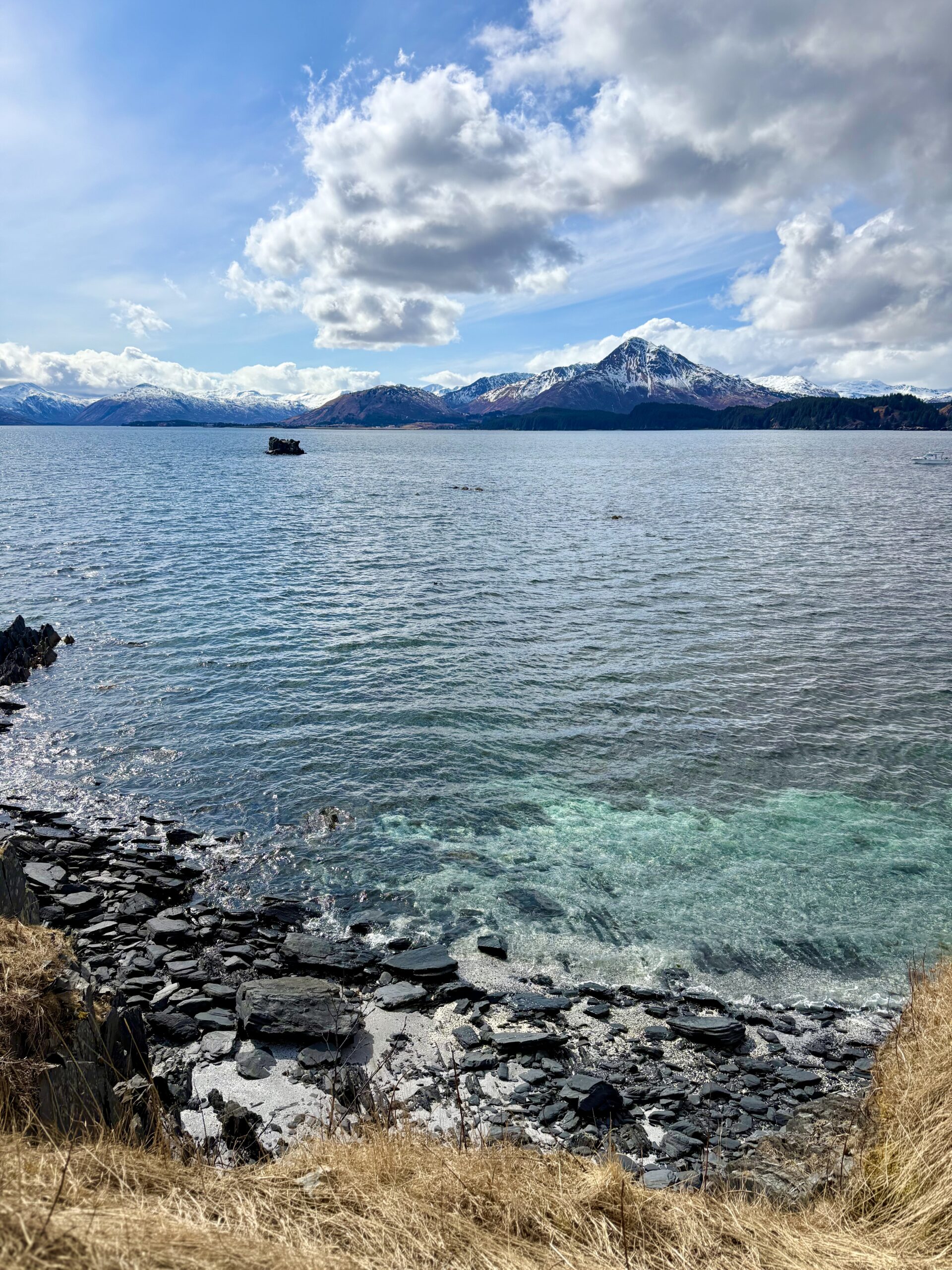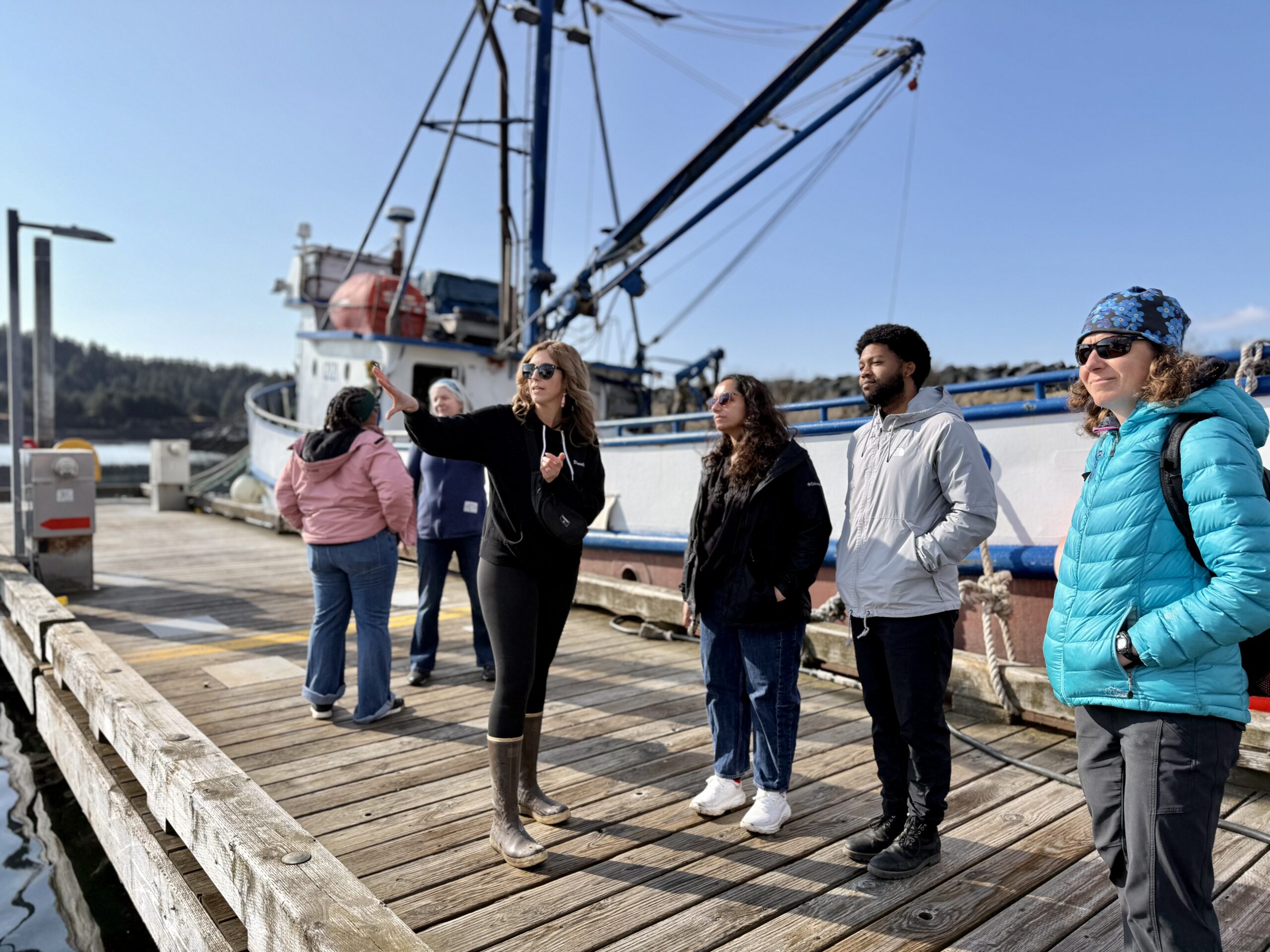
Our team traveled to Alaska for breakup. No, not for a rerun of Ross and Rachel. But rather, the time of year that Alaska starts to thaw and the thick winter ice on rivers melts, cracks, and rushes downstream. We went to visit our partners, the Alaska Dialogue on mCDR (ADM), one of the regranting partners of our Making Waves Coastal Community Regranting Initiative, and joined them for two important community events. ComFish in Kodiak, Alaska is an annual commercial fishing tradeshow where fishermen gather to learn about new equipment, policy, science, and opportunities. Innovate Cordova in Cordova, Alaska serves as a forum for lawmakers, scientists, funders, and community leaders to discuss scientific innovation and economic strategies for coastal communities. We spent time meeting with those living there, including with fishermen, policymakers, and local partners to exchange knowledge about carbon removal, ocean policy, and safeguarding our natural resources.
“Building an informed community depends not only on sharing knowledge but also on developing trust and mutual understanding.” – Theresa Peterson, ADM
Fishing is a Way of Life
The Alaskan coastal communities are intrinsically connected to the cold waters that surround them. The ocean shapes each community’s identity, economy, and way of life, reflecting the deep dependence that residents have on the surrounding marine environment. Fishing is more than just a profession in the communities we visited. It connects friends, families, food, and histories.
“Fishing is everything. Yes, it’s how we make a financial living, but it’s so much more than that.” -Danielle Ringer, ADM
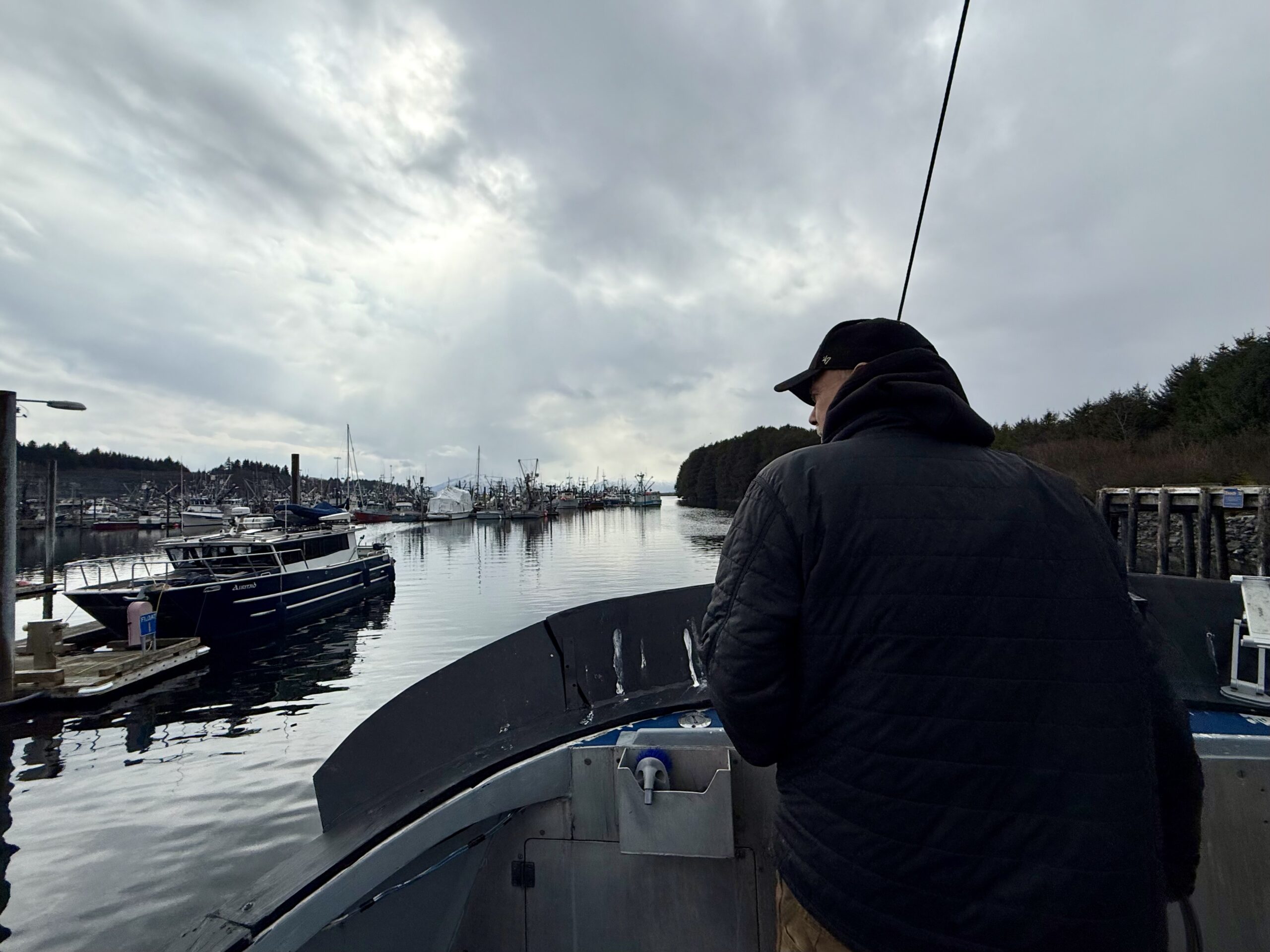
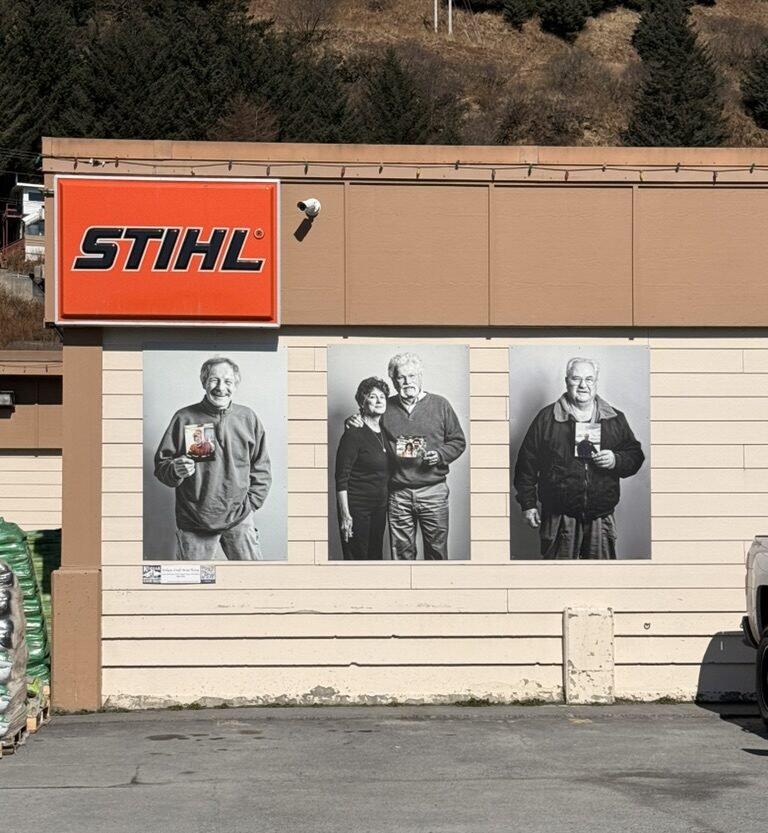
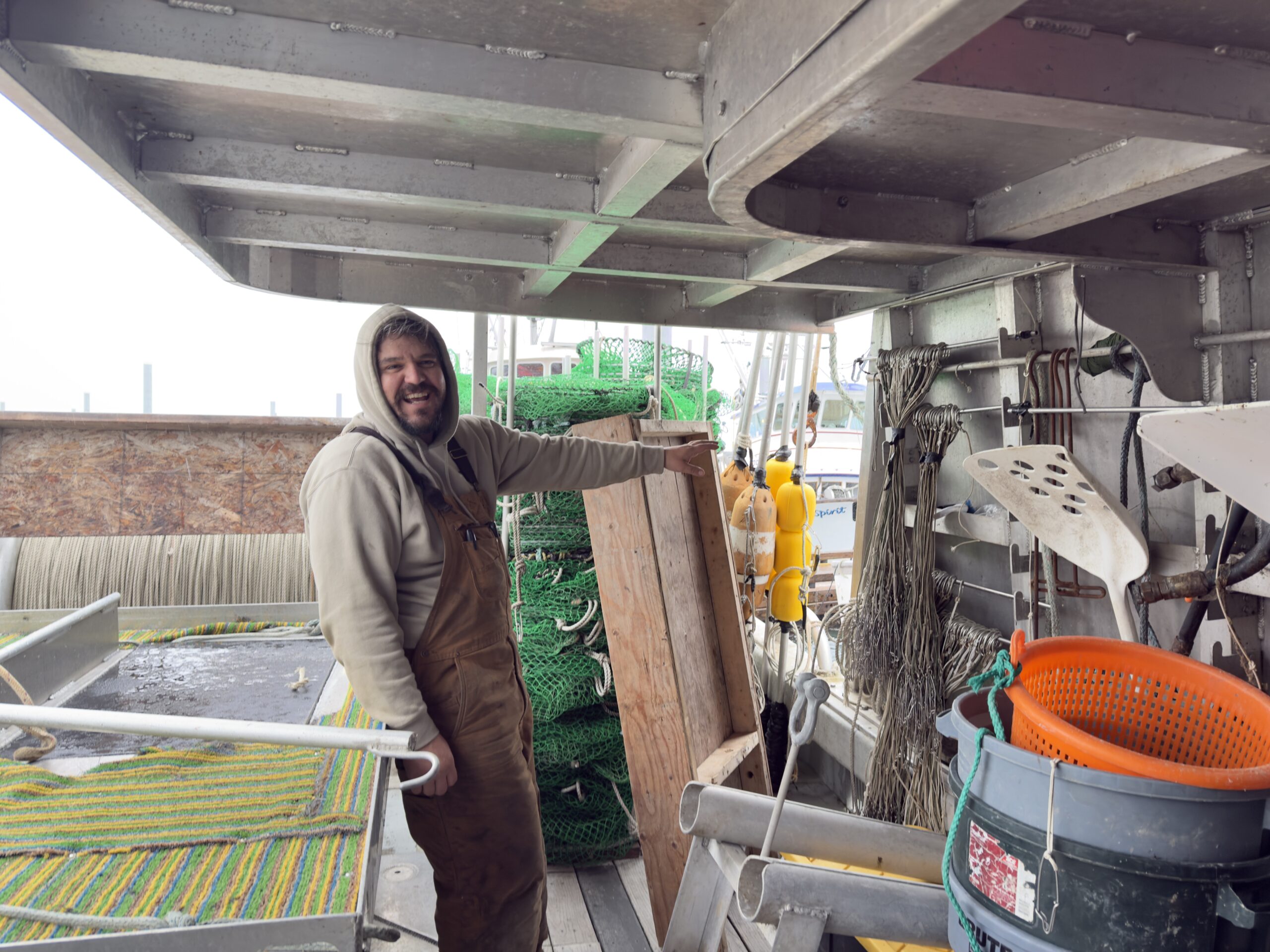
While many in the Lower 48 may never get the chance to visit “The Last Frontier,” the American population has a lot to be grateful for the services and products coming out of Alaska. Fishermen put themselves at risk every time they go out to sea, and because of this, the U.S. and the world have access to this healthy, nutritious protein. More than 60% of all seafood in the U.S. comes from Alaska, and Alaskan fisheries produce more wild-caught seafood than all other states combined.
“It was my first time exploring a fishing boat and learning about seining. Seeing the behind-the-scenes tour of the facilities of them catching fish, cleaning, packaging, and getting fish on boats to be delivered across the world. So much happens behind the scenes before it ends up on grocery shelves.” – Alyson Lee, Carbon180
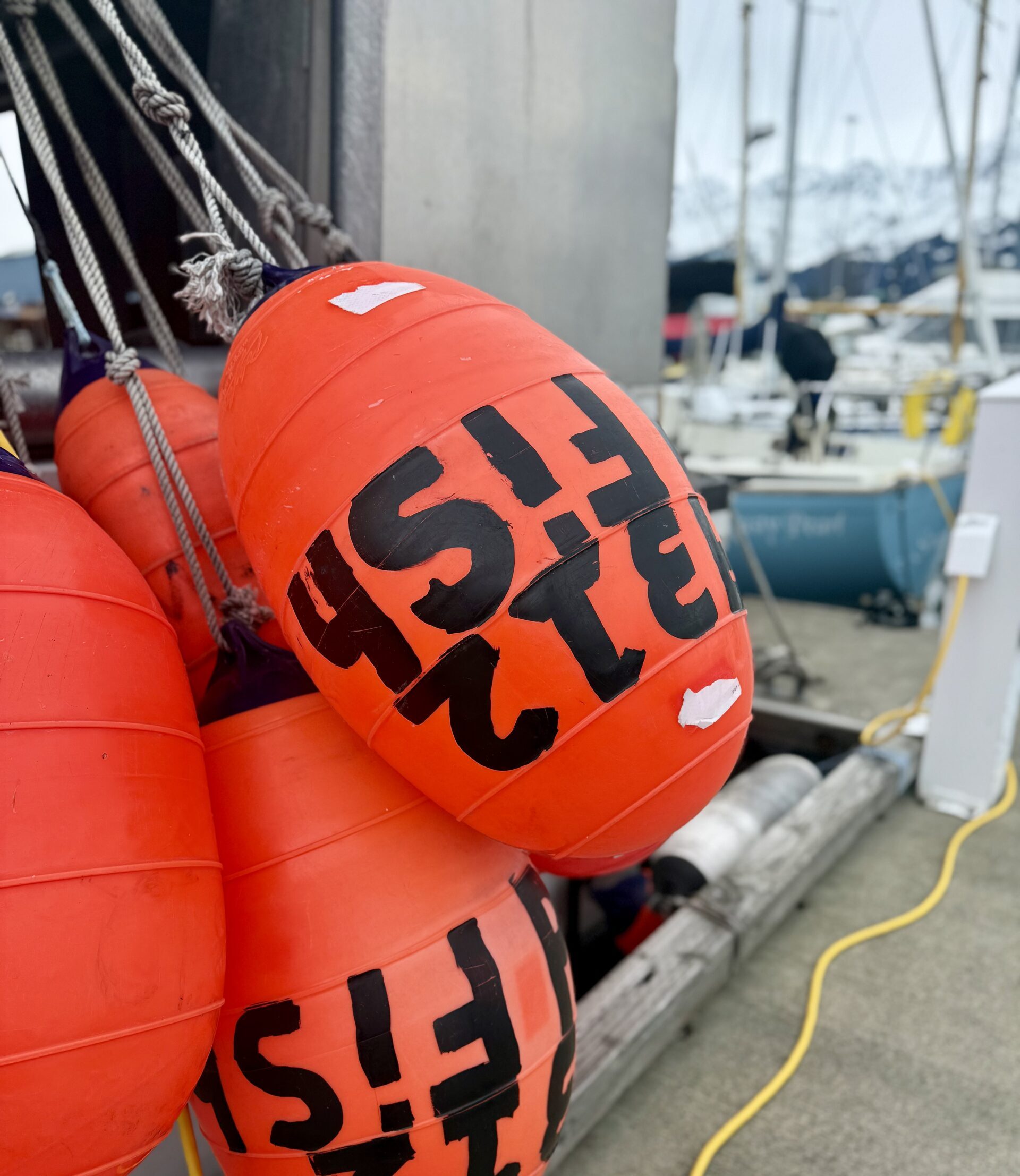
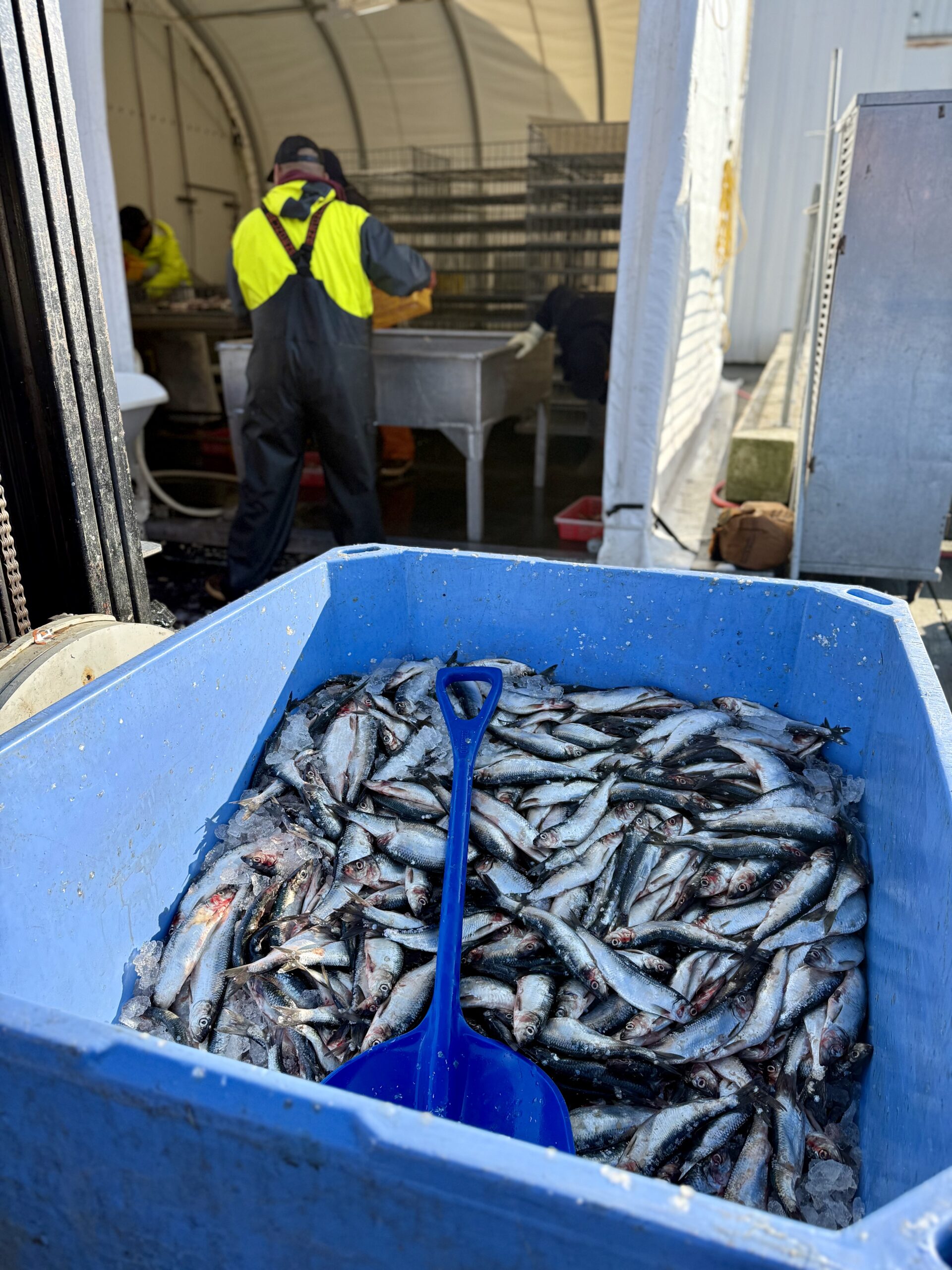
Preserving Place and People
The close relationship between the sea and the coastal communities of Alaska is nothing new. The Alutiiq/Sugpiaq and Eyak people, who are the original stewards of Kodiak and Cordova respectively, have lived with the marine environment for thousands of years, guided by respect for the land, the sea, and the resources they provide. Today, that connection fuels maritime traditions and special relationships for people who make their living on the water. In our conversations, it was clear that these communities are fiercely protective of their ocean environment. As new technologies like mCDR are developed, they must be advanced with the same commitment to stewardship, responsibility, and long-term care for the ocean that has sustained coastal communities for generations.
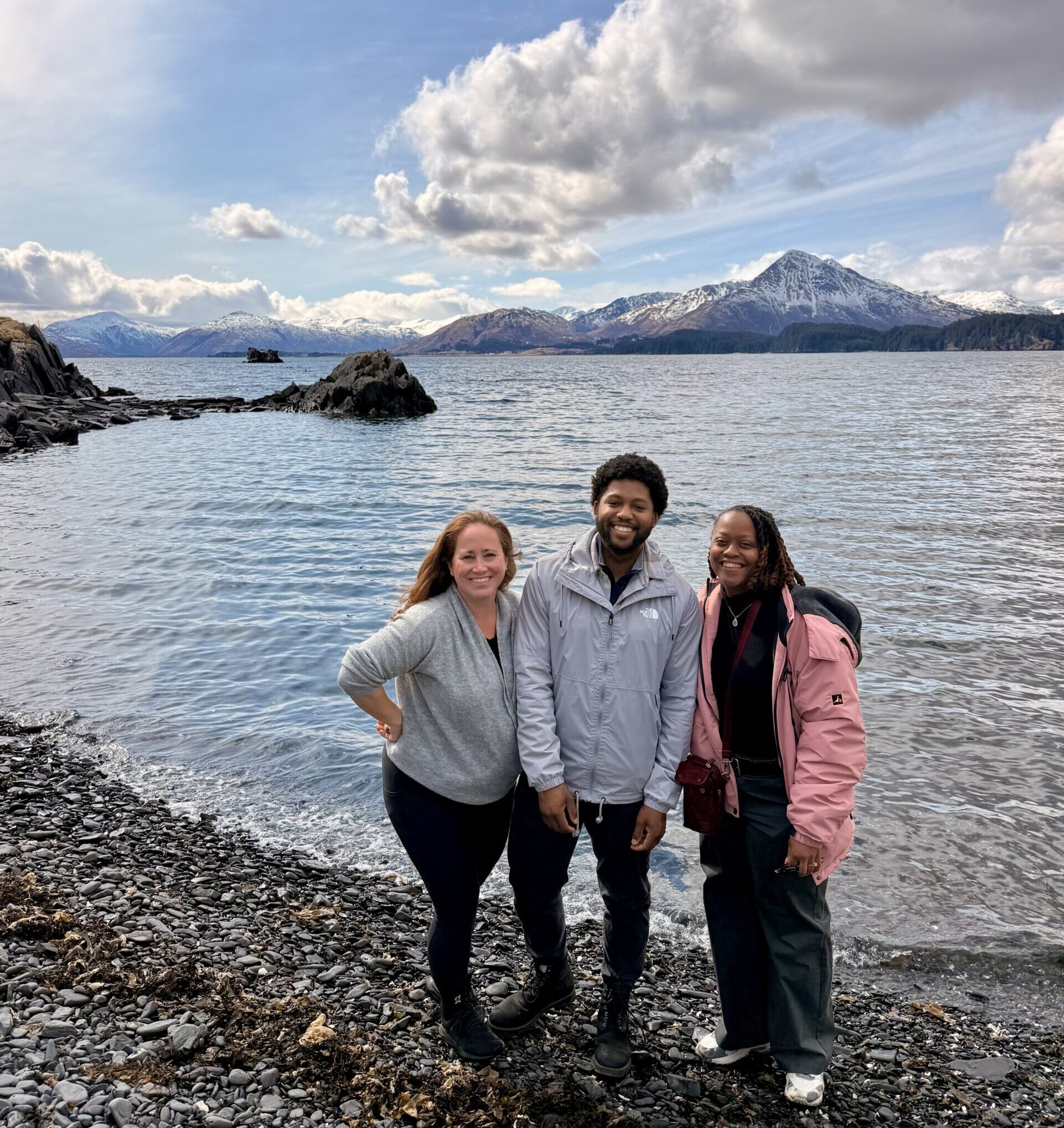
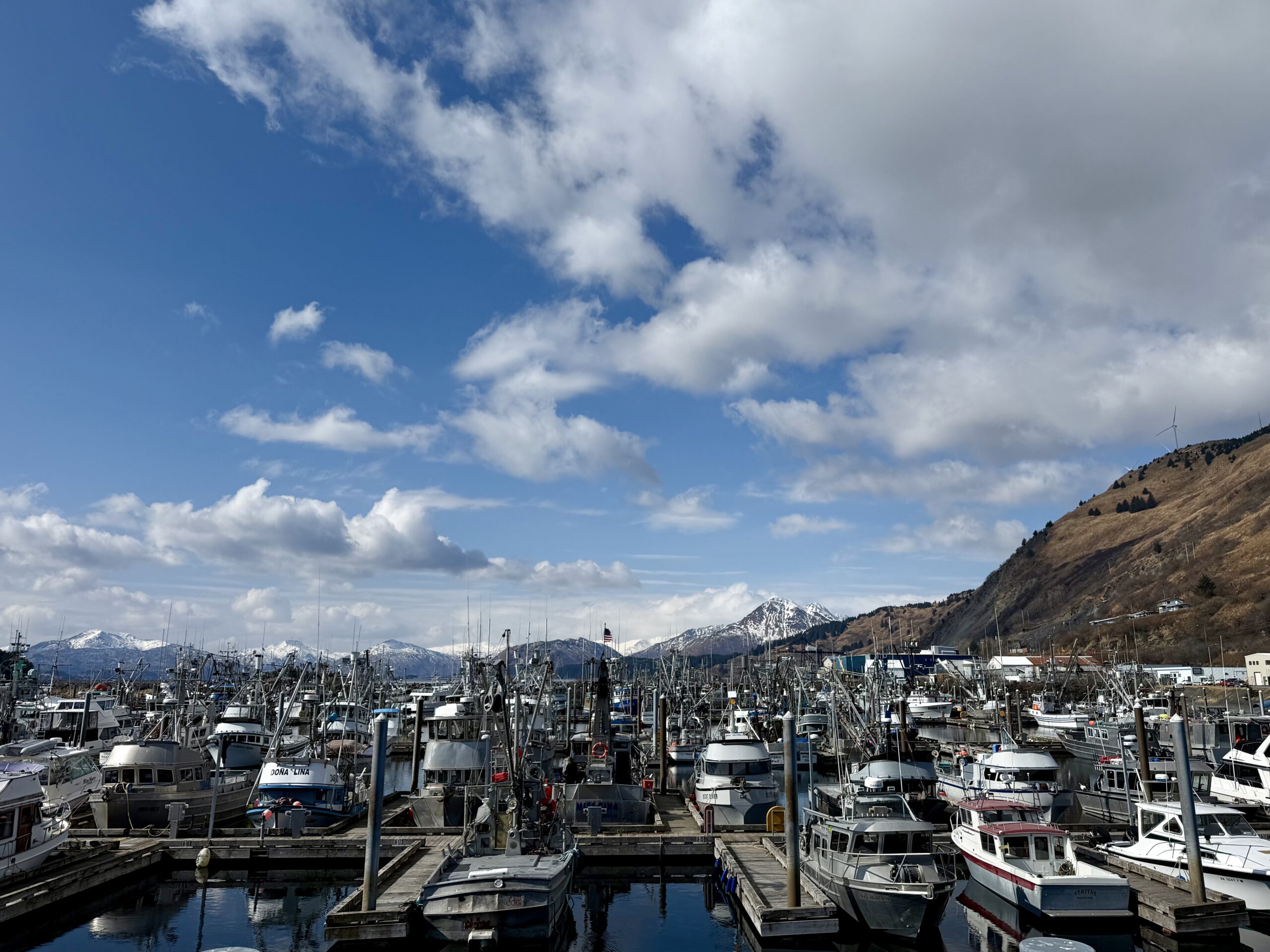
“Alaska raised me. Taught me what water weighs as I scrambled from streams with a five-gallon bucket for the garden… Alaska reminds us what it is to be wild… Alaska is always here, reminding us how to be human.” ~Jewel (Singer-Songwriter)
The wonder and wild inspired by the Alaskan wilderness, and the desire to protect The Great Land is very much present today. However, the work Alaskans are doing to preserve their resources is now at great risk with a changing climate.
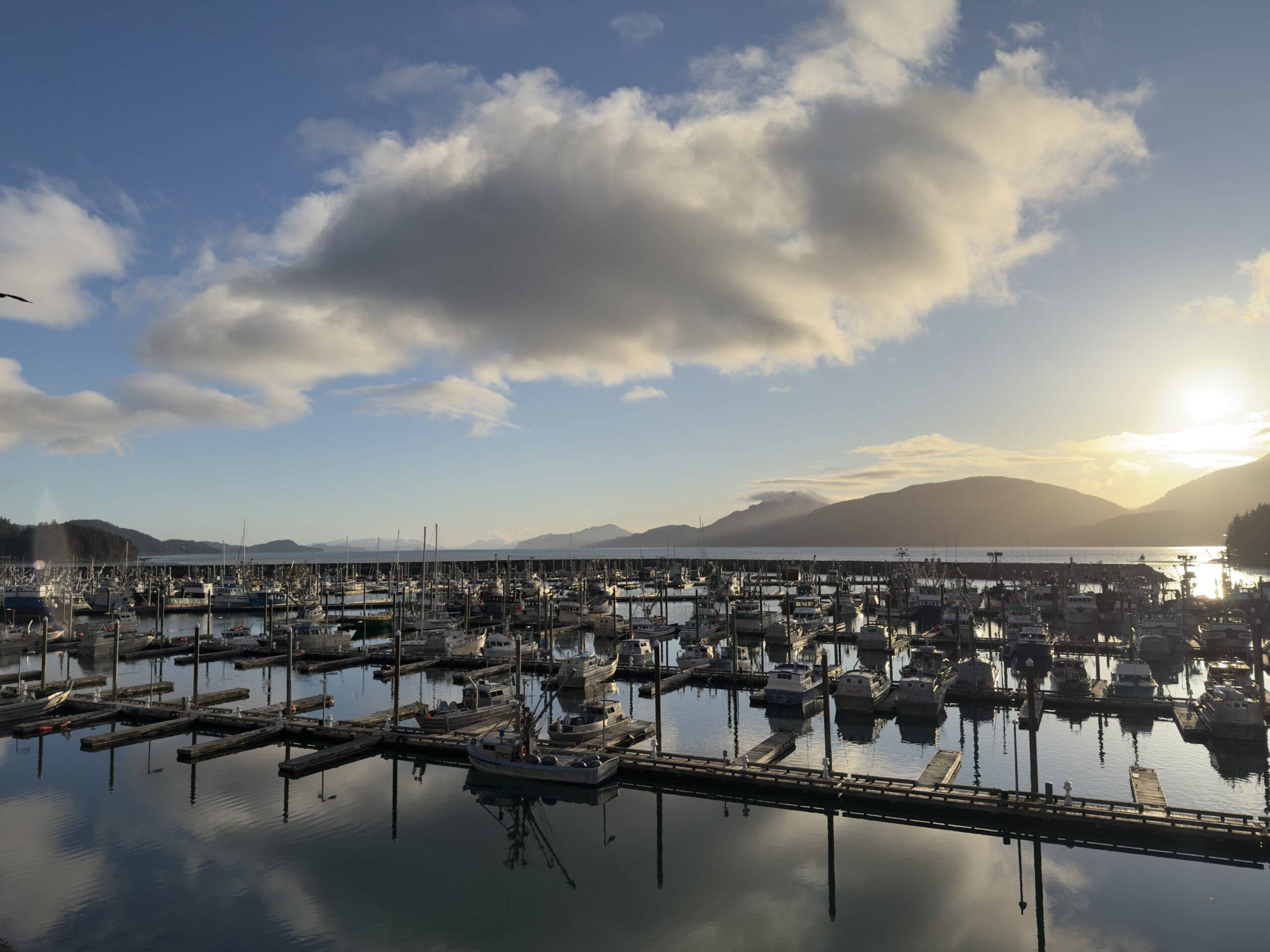
Alaskans don’t need to be convinced that the ocean is changing. Glaciers are melting, and harmful algal blooms, marine heatwaves, and ocean acidification are hurting fisheries and marine ecosystems. Fish are migrating later and moving into areas and depths where fishermen have never seen them before. While some in these communities might not use the term “climate change” due to perceived politicization of the term, community members are eager to engage in conversation about solutions to the threats they are seeing to their way of life. As a NOAA scientist said in a Kodiak community meeting. “These changes deserve explanation. Otherwise we just live in a crisis.”
Is mCDR right for Alaska?
“Don’t tell me not to worry. Offshore is my backyard.”
A fisherman in Kodiak said this after hearing about a proposed ocean iron fertilization project. For the fishing communities we met on the Gulf of Alaska, the ocean is not a remote space where new technologies can be tested. It is their workplace, their food system, their economy, and a central part of their community. The fish that support them live offshore and the changes happening in the ocean are already changing their lives.
When it comes to mCDR, impacts to fisheries were always front and center to each conversation. Everyone, especially fishermen, wants clear answers about the environmental consequences of deploying mCDR at a climate-relevant scale. Opportunities were raised for land-based CDR approaches, as community members expressed interest in CDR but wondered if there was a way to avoid “messing with the ocean” they so greatly depend upon. If the mCDR field cannot strongly demonstrate that an mCDR approach won’t have a detrimental effect on commercially and culturally valuable fish species, it’s going to be a non-starter.
“mCDR can easily be seen as a threat to fishing as a way of life due to unforeseen or foreseen consequences. Coastal community members are not anti-science and are natural innovators, but climate solutions for the world cannot come at the cost of hardworking food providers who rely on the ocean. If we as a society are willing to sacrifice that, then it’s no solution at all.” – Danielle Ringer, ADM
Not so Theoretical
For other coastal communities, mCDR is a theoretical idea. Alaska, however, is in a different position, with our conversations reflecting real proposals and activities. In 2012, a California-based firm Planktos Inc. ran unauthorized experiments dumping 100 tons of iron into the ocean off western Canada, just south of the Gulf of Alaska. This was a huge wake-up call for the climate community at large who recognized that individuals or governments could actually deploy large scale solutions without any governance framework, code of conduct, or responsibility metrics to guide it. Today, research groups and companies are actively looking at Alaska for mCDR – its cold, nutrient-rich waters and its mineral-heavy, glacial runoff are ideal conditions for carbon sequestration. But these communities are no strangers to big promises that are never realized. The Exxon Valdez oil spill in 1989 deeply impacted many of the people we met with, and the salmon industry, in particular, was forever changed. Injustices like those around the oil spill make folks justifiably wary of new companies or new industries operating in their waters.
“Through conversations, it reinforced the idea that local knowledge, lived experience, and generations of stewardship provide essential context for how CDR projects should be deployed in a way that scientific and technical assessments alone cannot capture.” -Alayna Chuney, Carbon180
We met many people with a good understanding of CDR and why it is needed. Some community members in Cordova have been investigating a hybrid approach to CDR with kelp and enhanced rock weathering. Many others identified the ADM leaders as the first to tell them about mCDR, and we heard time and again that they appreciated their own community members being the ones to raise awareness of the topic instead of companies or governments.
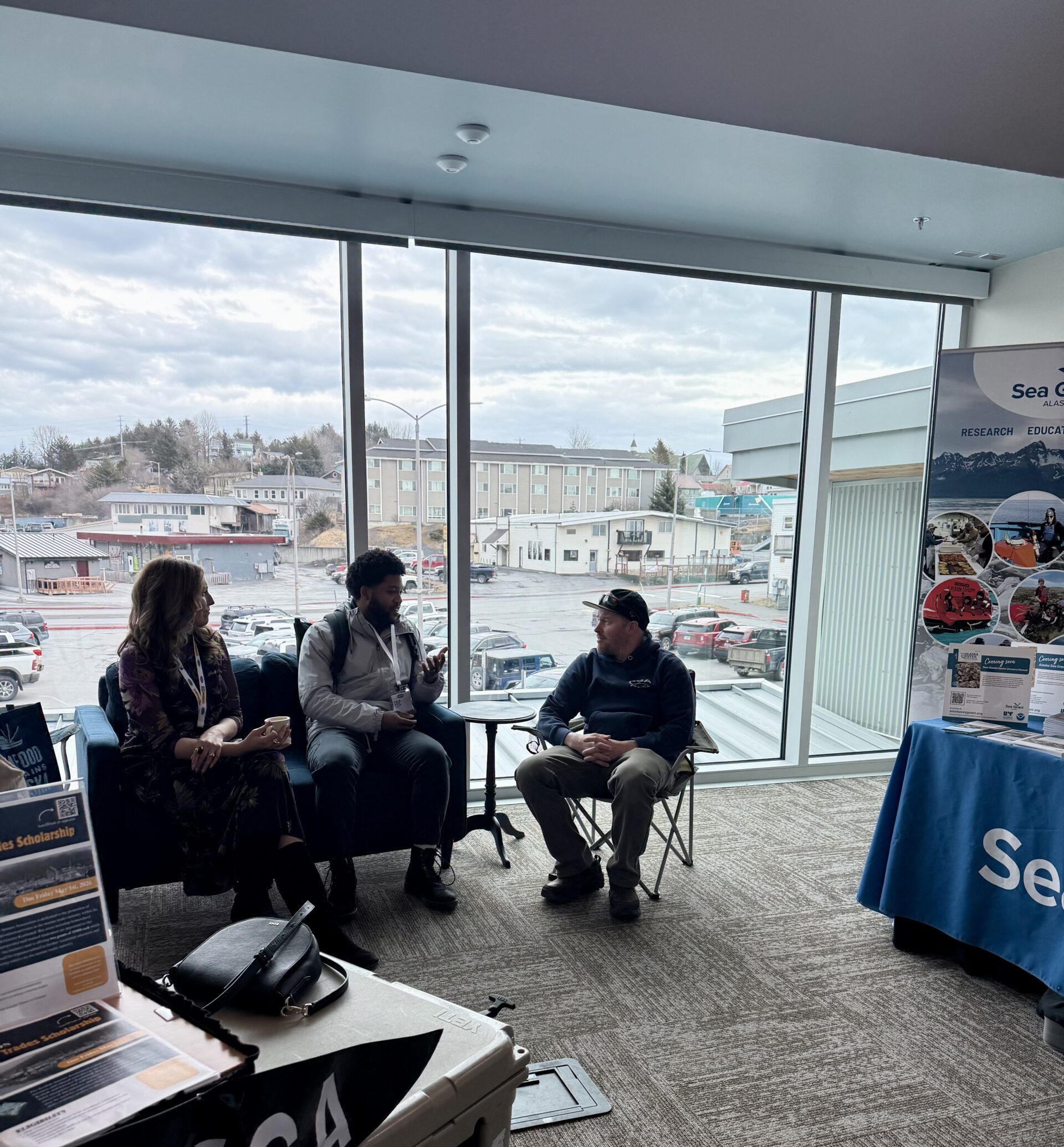
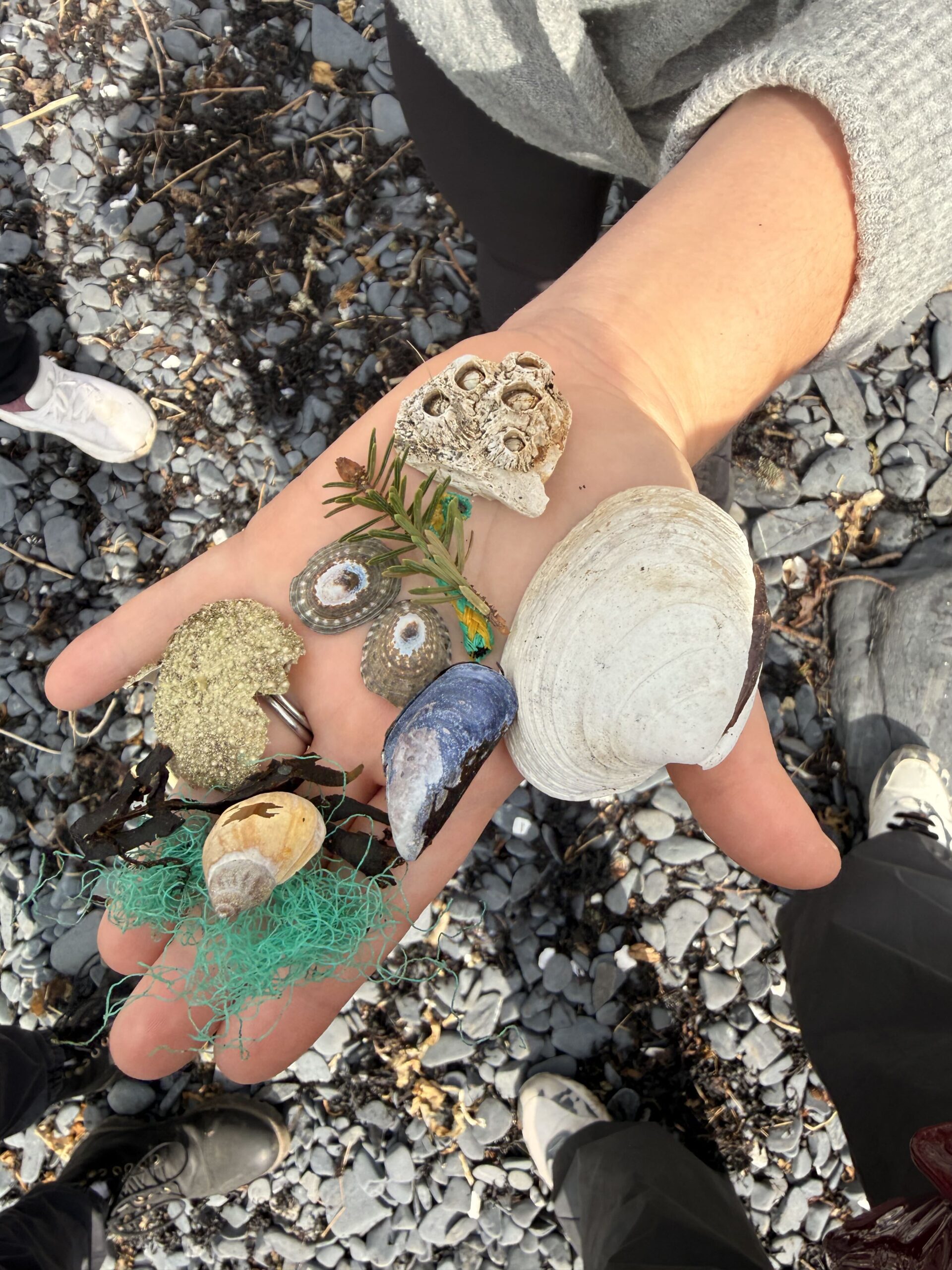
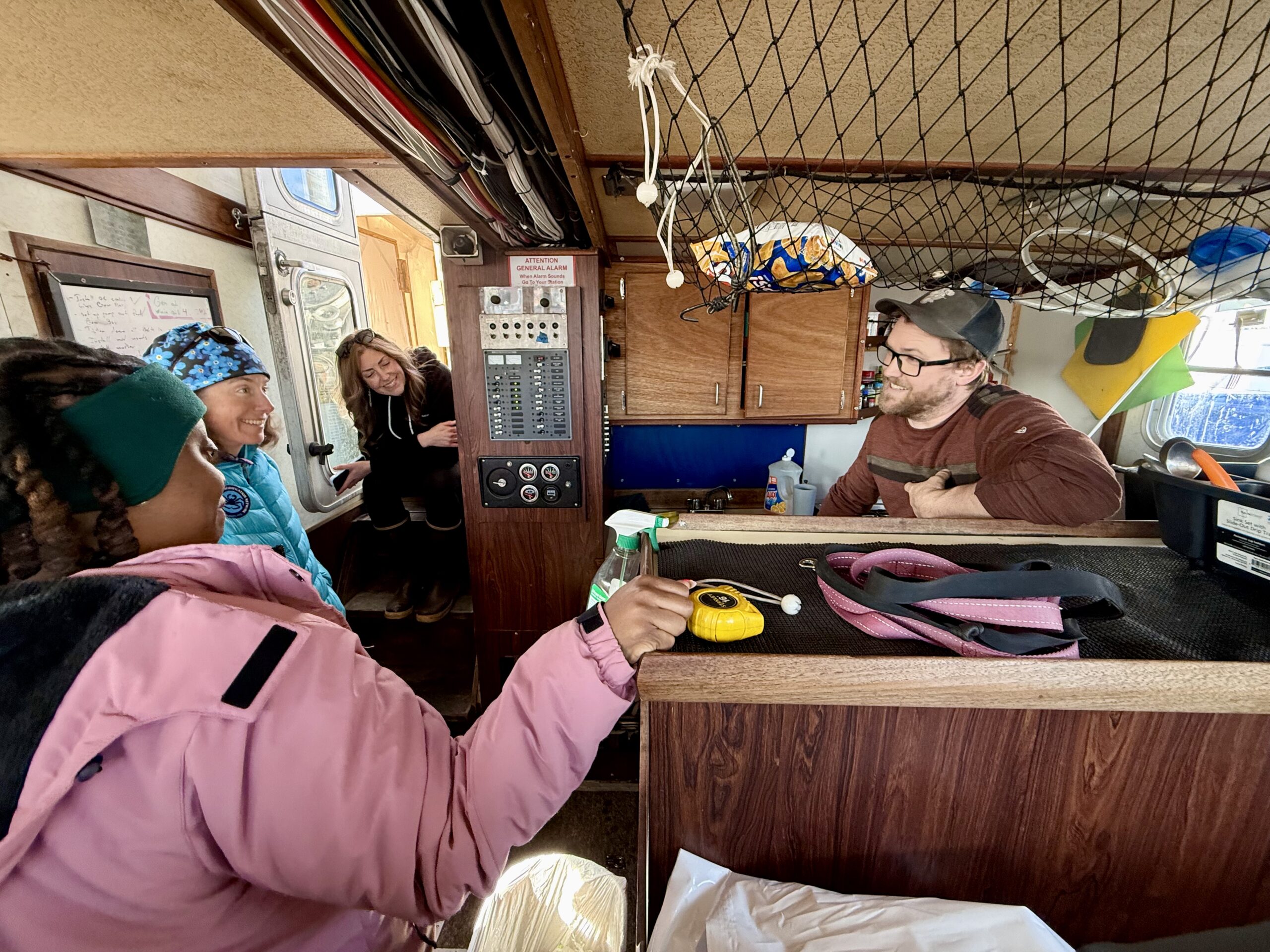
We visited these communities only halfway through the first year of the regranting program, and it was already clear the impact ADM has had in introducing the concept of mCDR. Our conversations were only possible because a relationship existed and people trusted us enough to want to know more – and to share their candid thoughts. Given the ADM’s work in these communities, our conversations were less focused on introducing the concept of mCDR and instead were about what needs to be learned about carbon removal, in general, and what needs to happen for communities to meaningfully participate in decisions about it. We sat down with fishermen in their homes and on the docks and talked about questions like “Who gets to make decisions?” or “How do we ensure this aligns with local priorities instead of being imposed from the outside?”
An informed public
Our conversations were filled with healthy skepticism, but also with a level of curiosity, particularly around science and innovation. The communities have seen first hand how science-based fisheries management has enabled sustainable harvests while protecting marine resources for future generations. The scientists who live and work in these communities are well respected community members engaged in many technical discussions about novel technologies and approaches. Things like changes to fishing gear, strategies to diversify fisheries access in largely privatized management systems, expanding kelp and oyster aquaculture, new investments in kelp processing, and cultivating niche, high-value products like kazunoko konbu, or herring roe on kelp, in addition to investing in climate and resiliency adaptations.
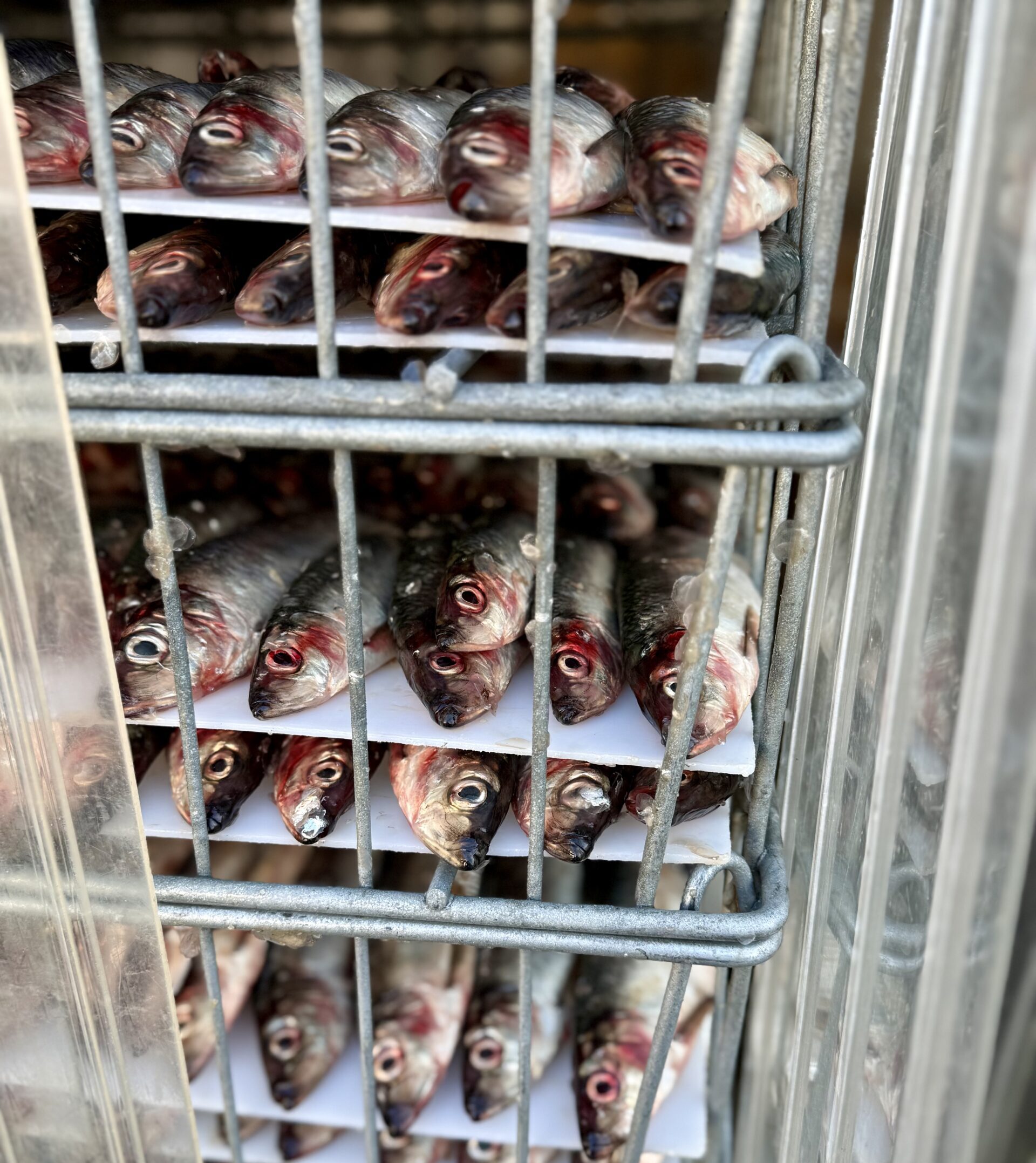
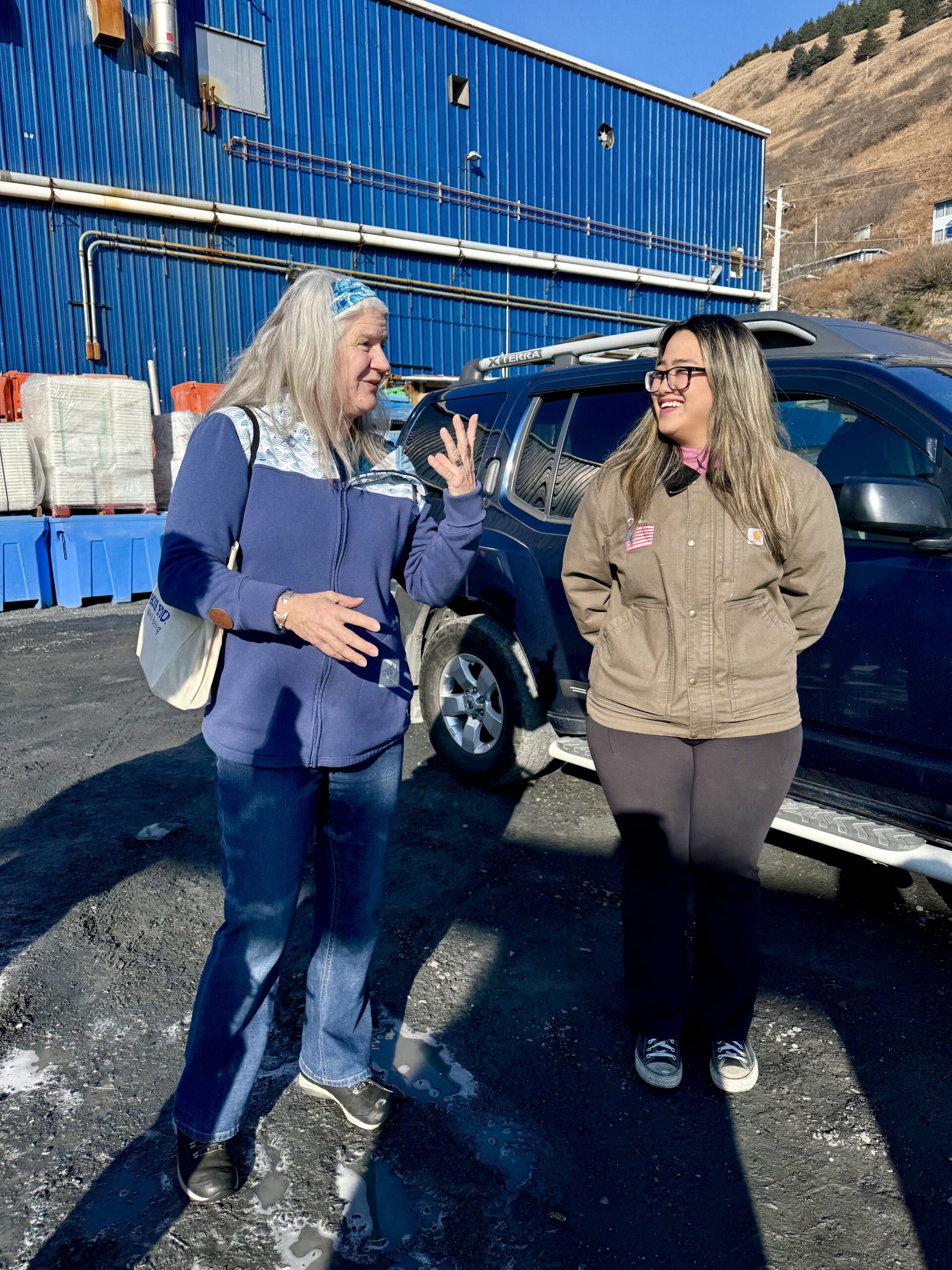
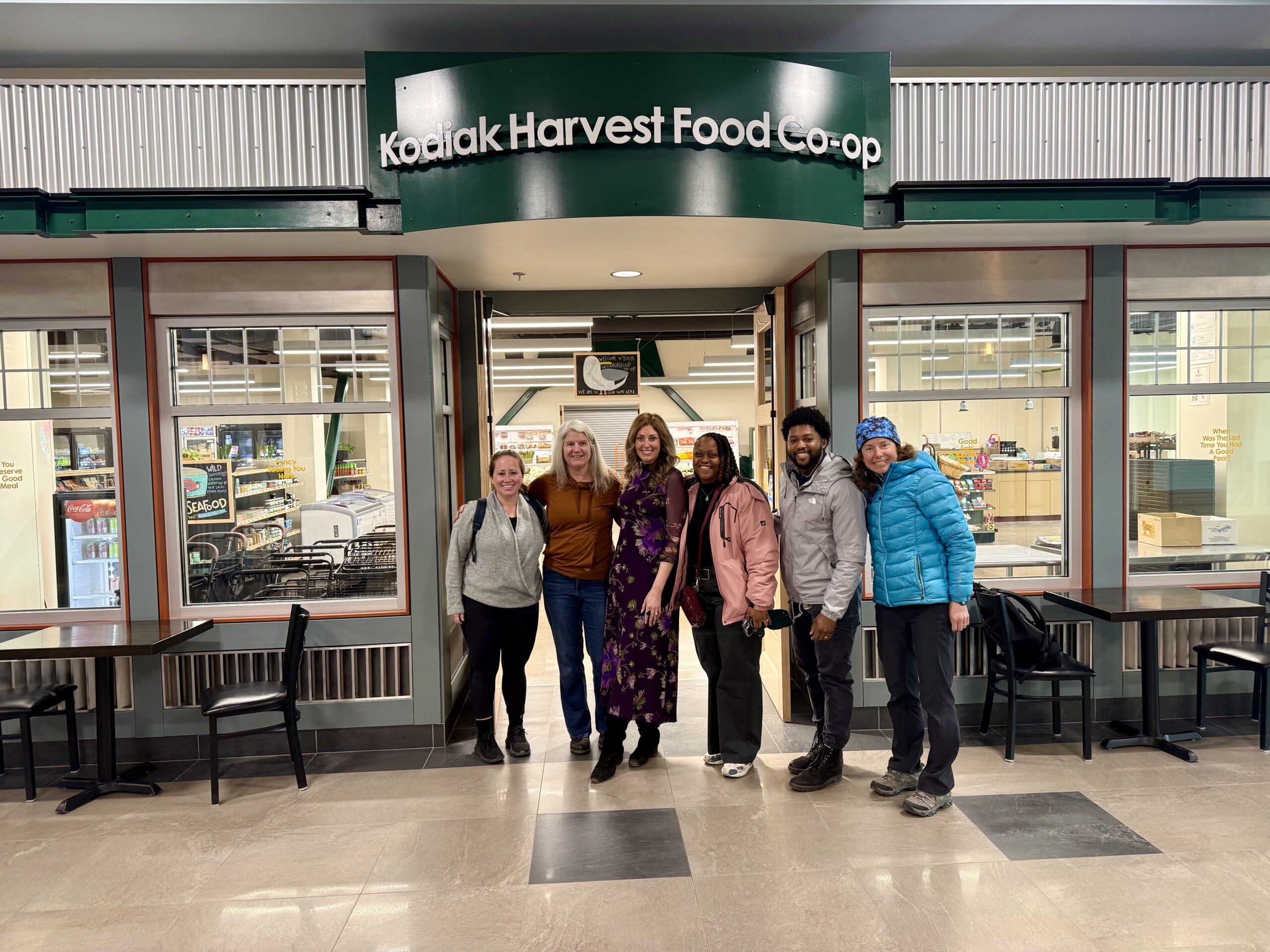
The high level of scientific and climate literacy across the communities positions them to innovate and adapt in a variety of creative ways that make sure no one is left behind.
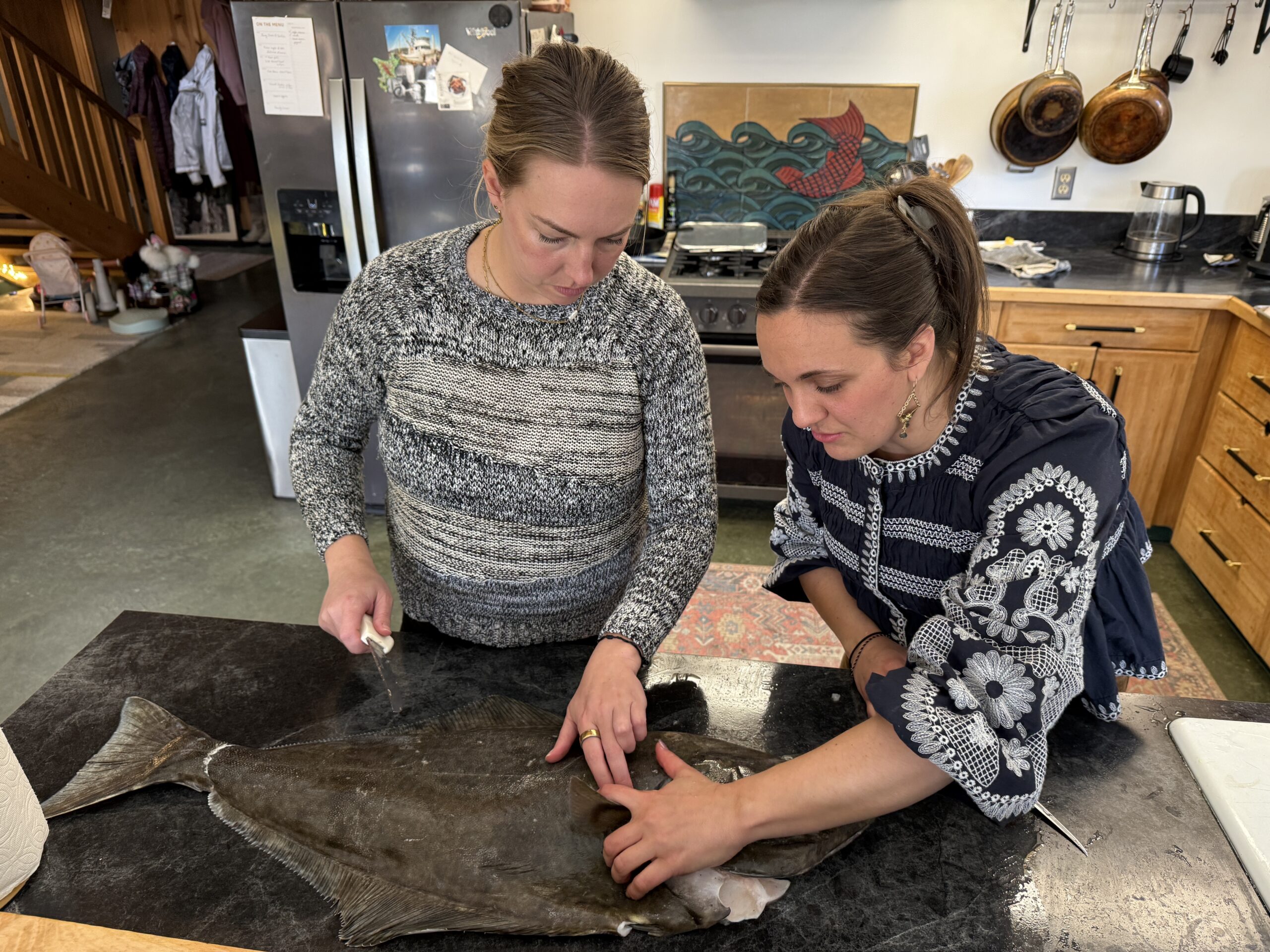
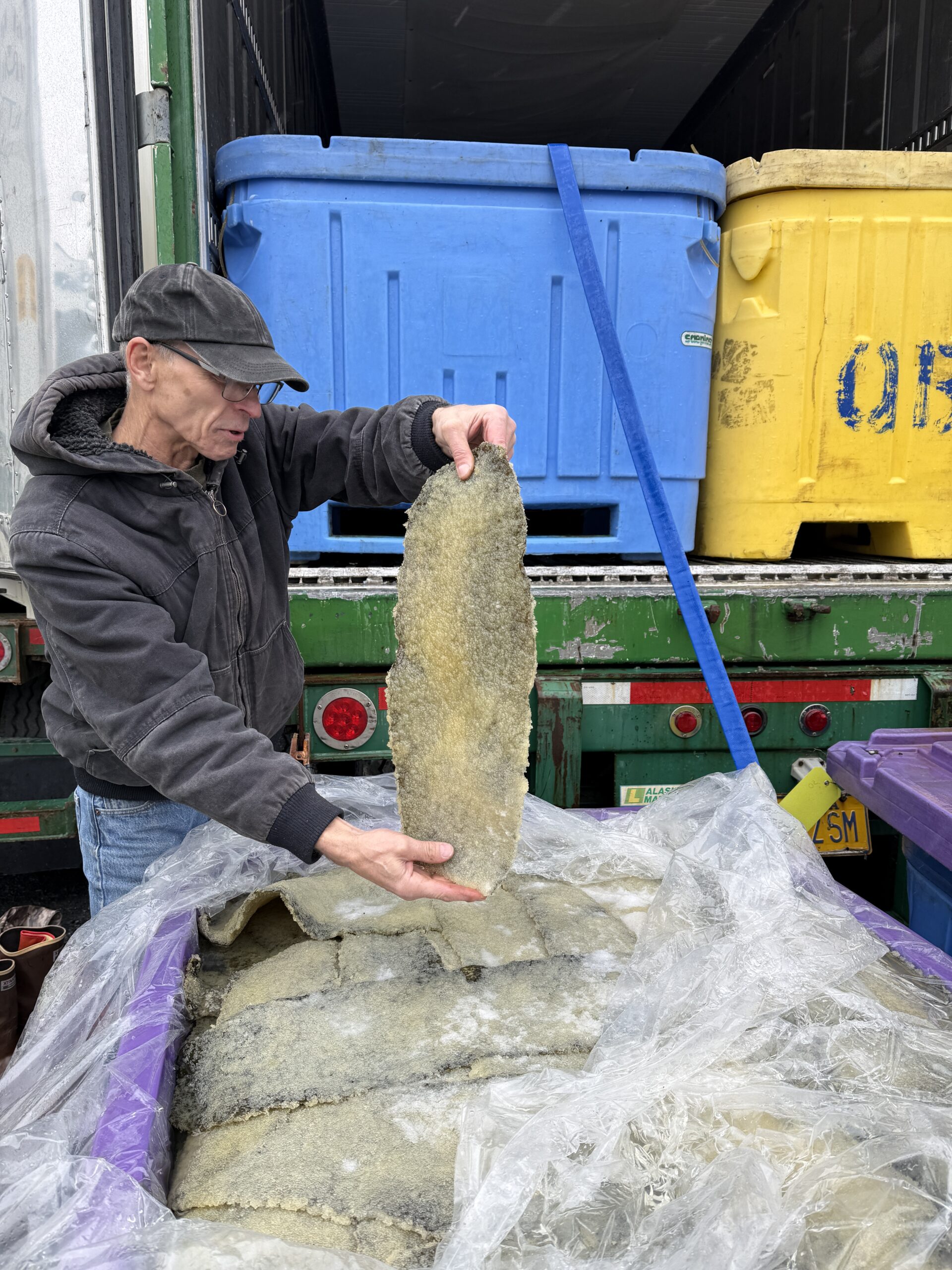
In Kodiak, we visited Island Wildsource, a Sun’aq Tribe of Kodiak operated fish processor. During a behind-the-scenes tour of their custom processing of local fish such as rockfish, herring, and salmon, we learned that because many of the fishermen on the island also fish for themselves, they use Wildsource as a small-batch processor that services many of the people living on the island, beyond its commercial uses.
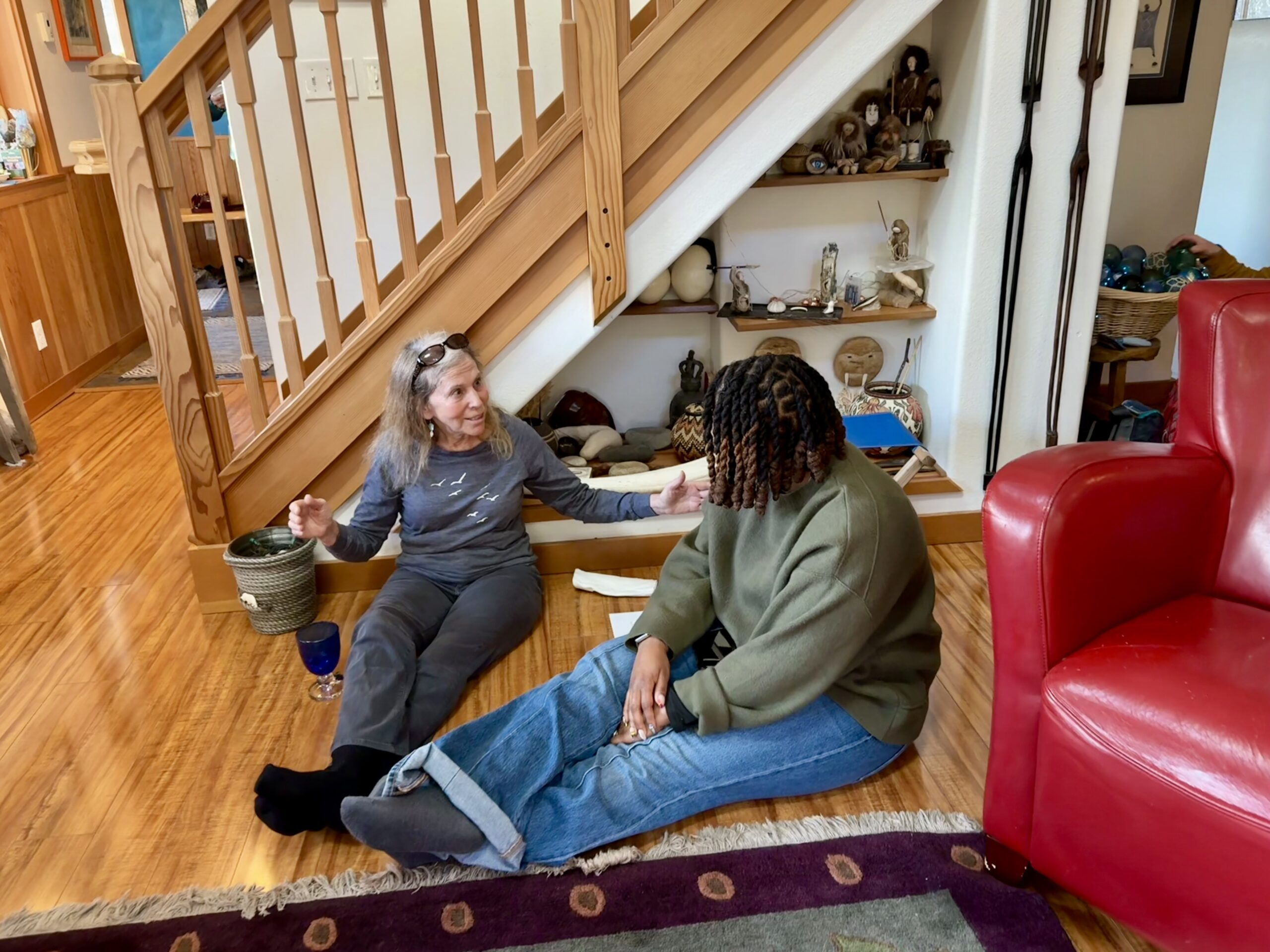
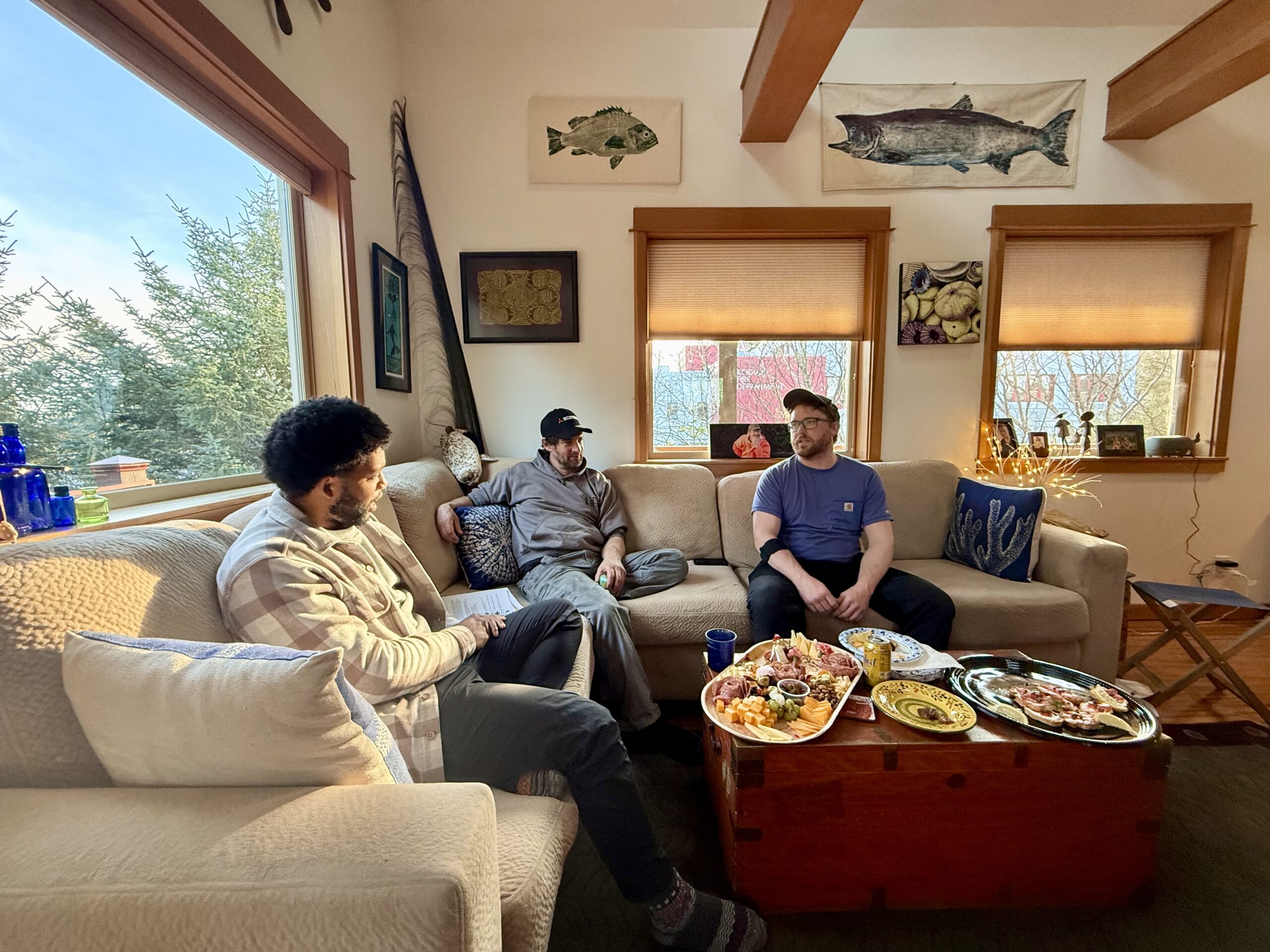
That night, ADM hosted a fishermen’s dinner, bringing families together to talk mCDR over food. This is where the real conversation happened — not about gigatons of carbon or deployment strategies, but about lost loved ones, months at sea, and why this livelihood and the ecosystem underneath it matter so much. This deep seated connection makes advocates of community members, and they’re not afraid to push back or ask the tough questions. When presented with a potential iron fertilization project, fishermen pushed back hard asking: “Why do you want to do that here? How are you making money? What are you getting out of this, and what do you want from me?” These weren’t hostile questions — they were the right ones, asked by people who understand marine ecosystems better than most outside experts ever will. And when the ADM team was asked directly what Carbon180 wanted, and answered with community education and participation rather than a sales pitch, the tone shifted.
“…it’s worth knowing the ins and outs of something. And what we get out of this is base building with communities across the country who will be better able to democratize climate intervention governance, research and deployment. We left that conversation with an invitation to come back and talk to more of their fishermen colleagues, and jokes about joining their team in the showcase.” -Eric Sutton III, Carbon180
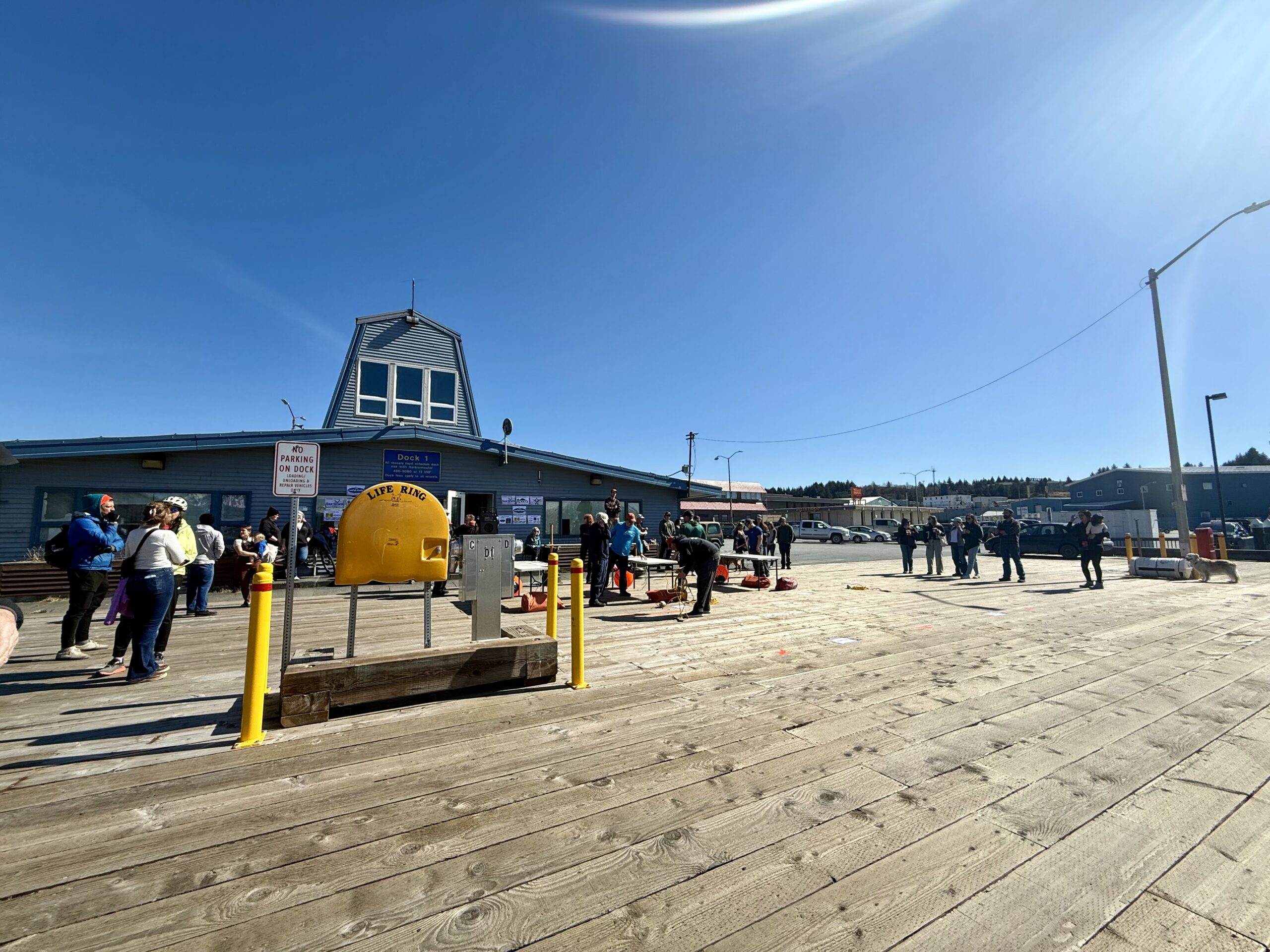
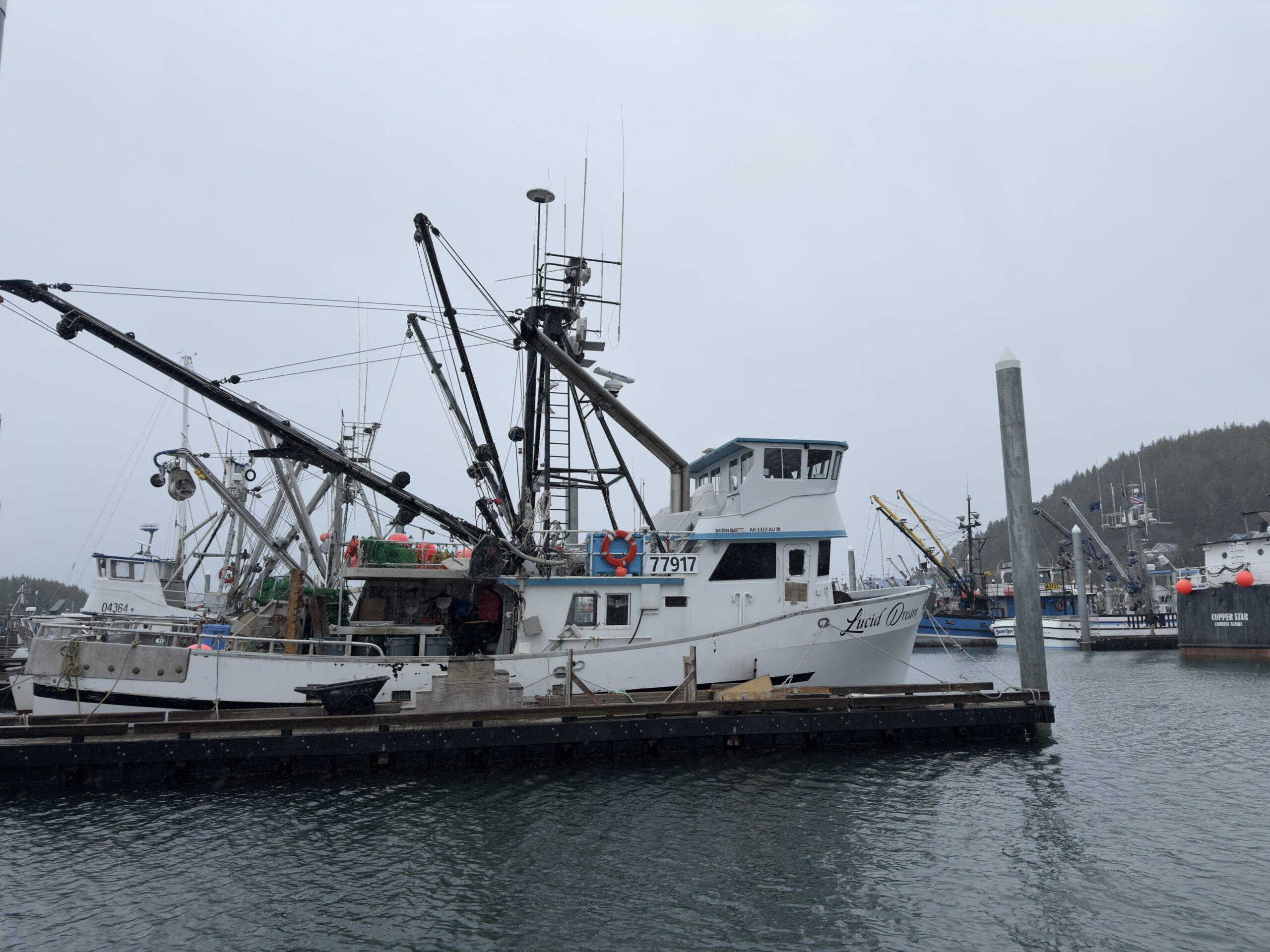
In Cordova, our visit was defined by immersion. Whether it was participating in bear safety training, touring ADM member Kinsey and her husband Zeke’s longline fishing boat, F/V Lucid Dream, or joining the Wild Food Feast — the Copper River Watershed Project’s annual meeting and fundraiser – the goal was to immerse us in the community to better understand their way of life.
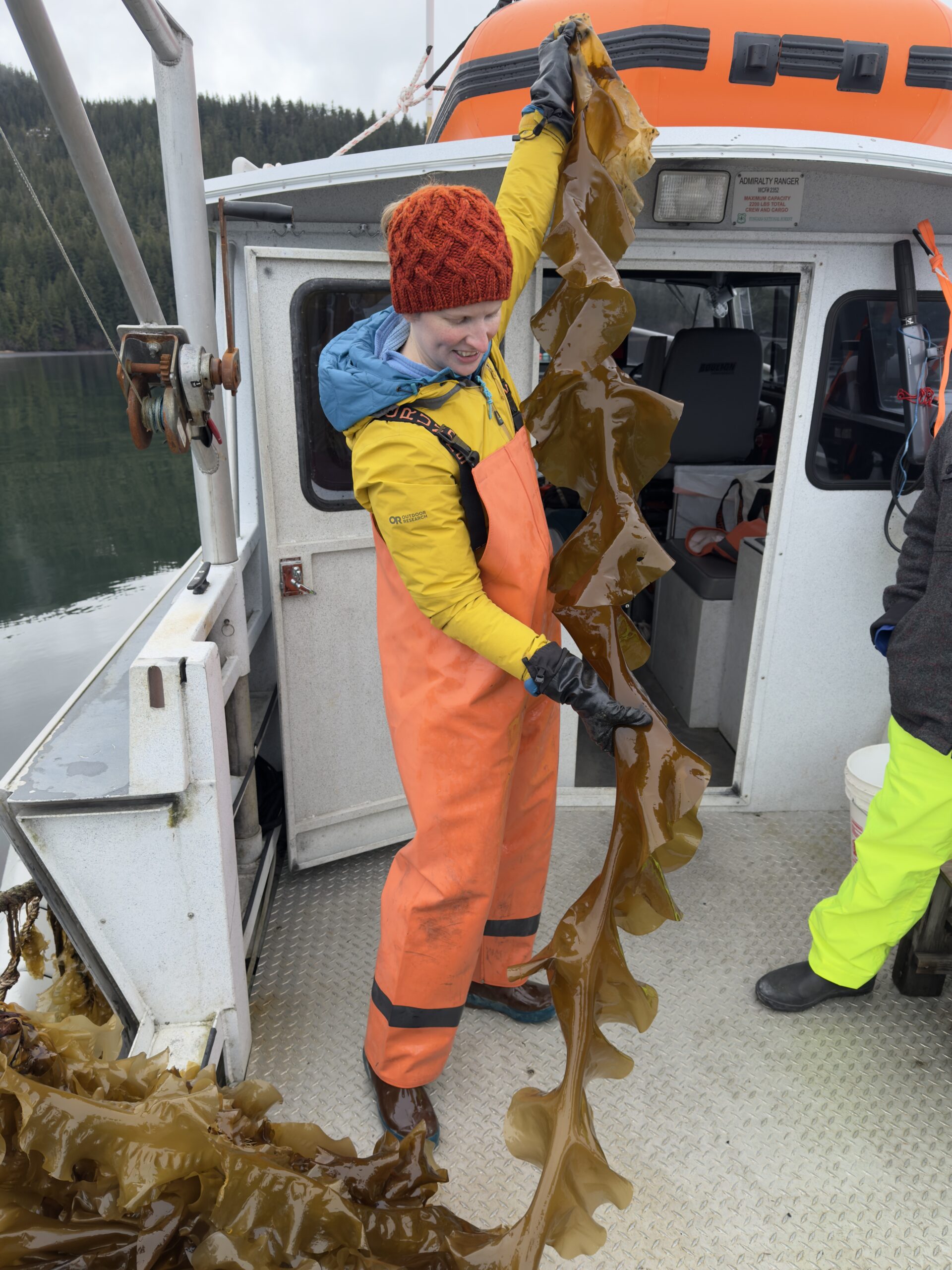
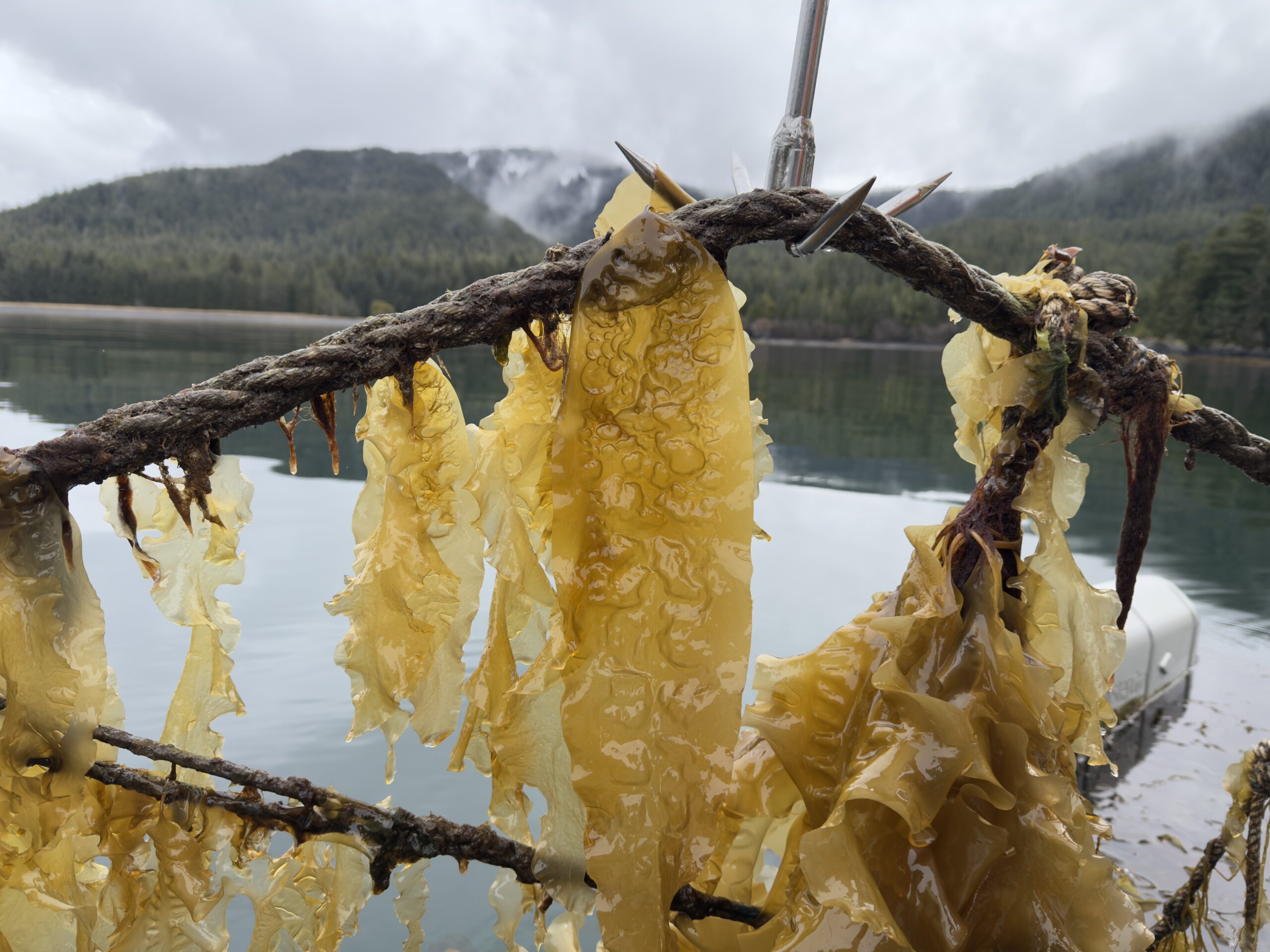
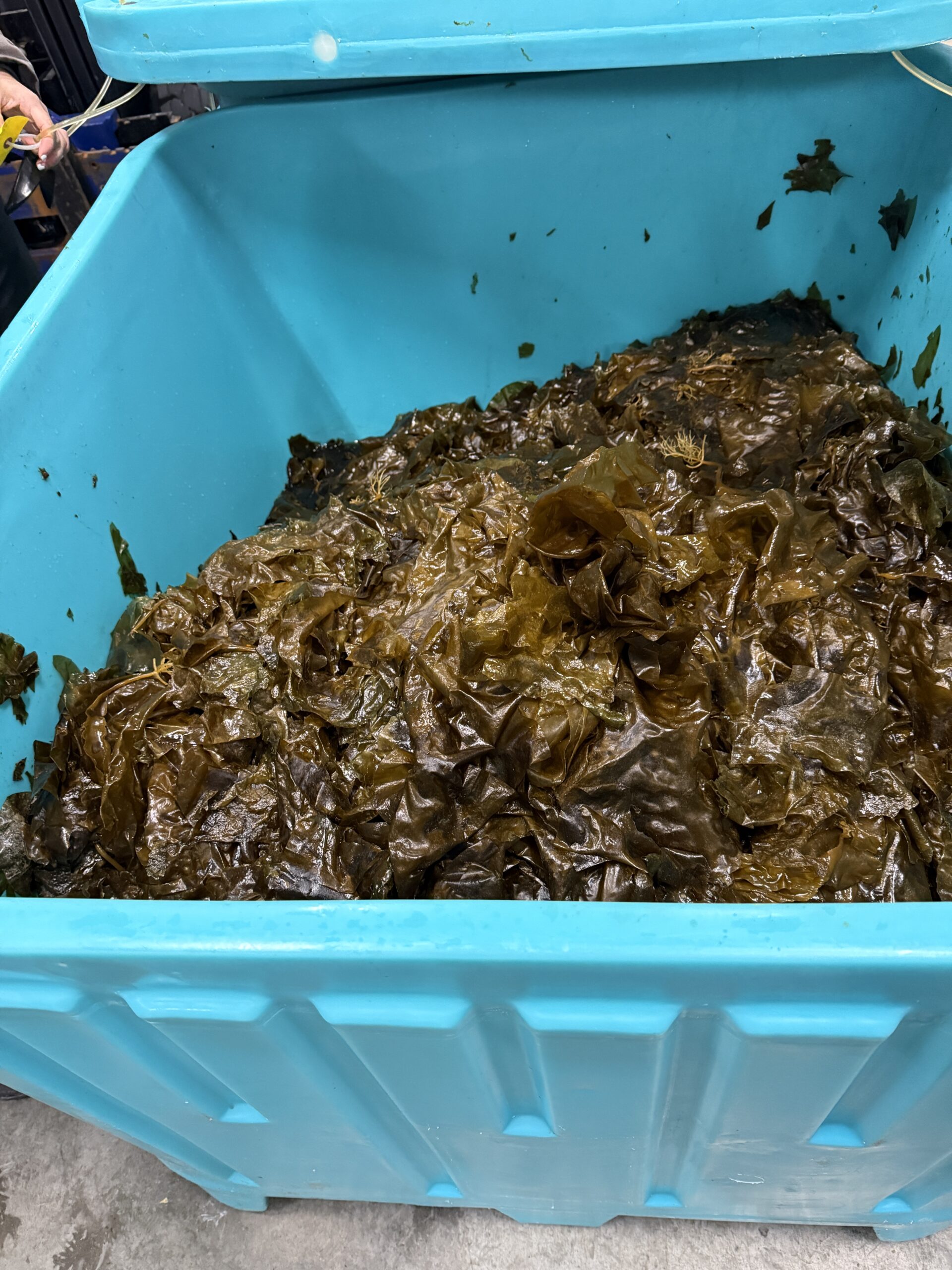
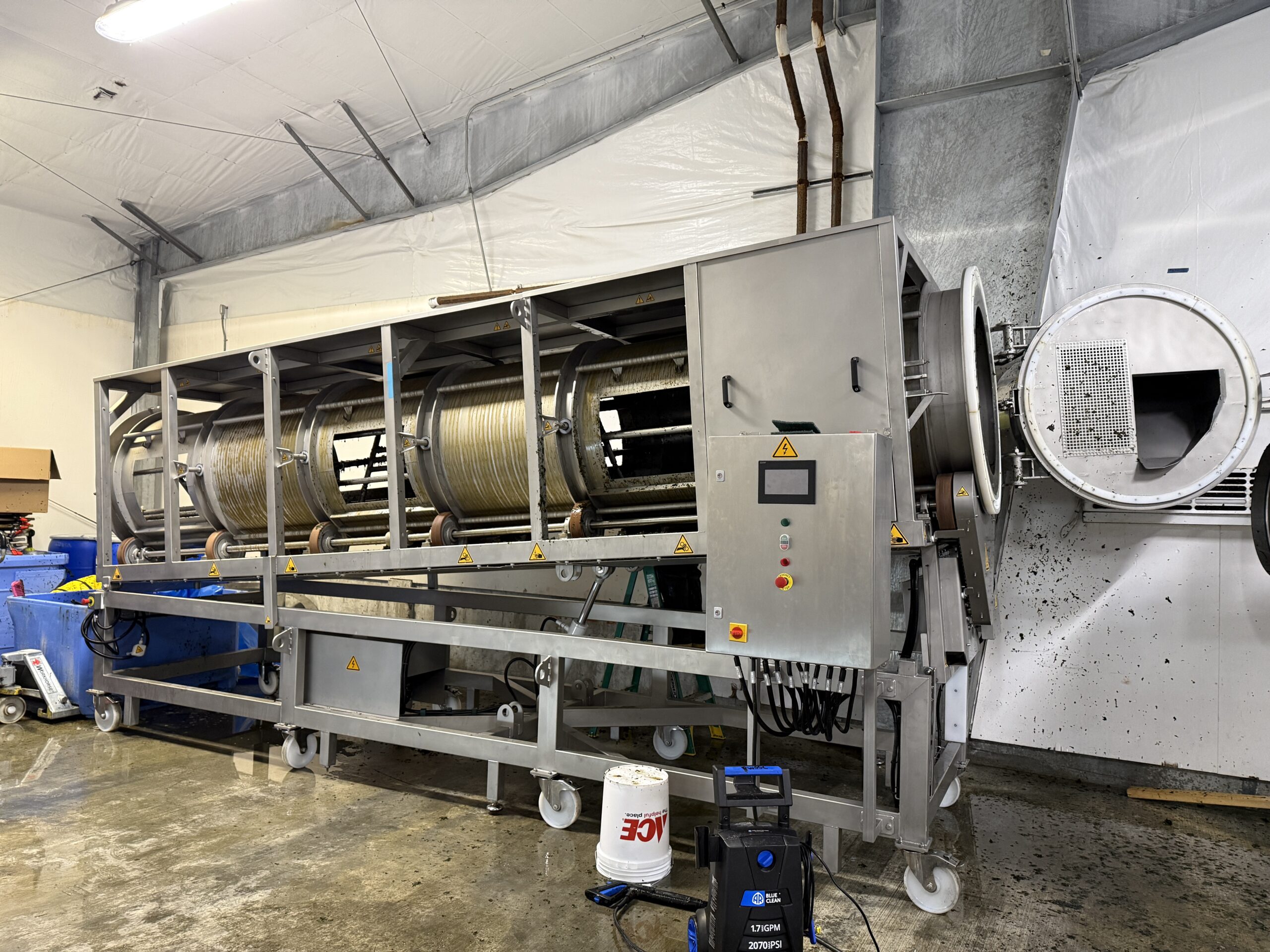
Innovation was also a continuing theme. The emerging use of kelp to diversify the economy was heavily apparent. We visited a kelp farm managed by the Native Village of Eyak that serves as a research area for understanding of if, where, and how sugar kelp can be grown, eaten, and sold in the region. We also had the opportunity to tour the new kelp processing plant at Silver Bay Seafoods using state-of-the-art equipment and technology to allow for local processing of kelp for expanding industries like cosmetics. The spirit of innovation is pervasive in these communities and there is also a willingness to contribute to and lean on the latest science to support their economies. This innovative spirit is also why Senator Lisa Murkowski holds her biennial Innovate Cordova event in this small town off the road system, because innovation is already Cordova’s default mode and that’s something that other coastal communities can emulate.
Trust before technology
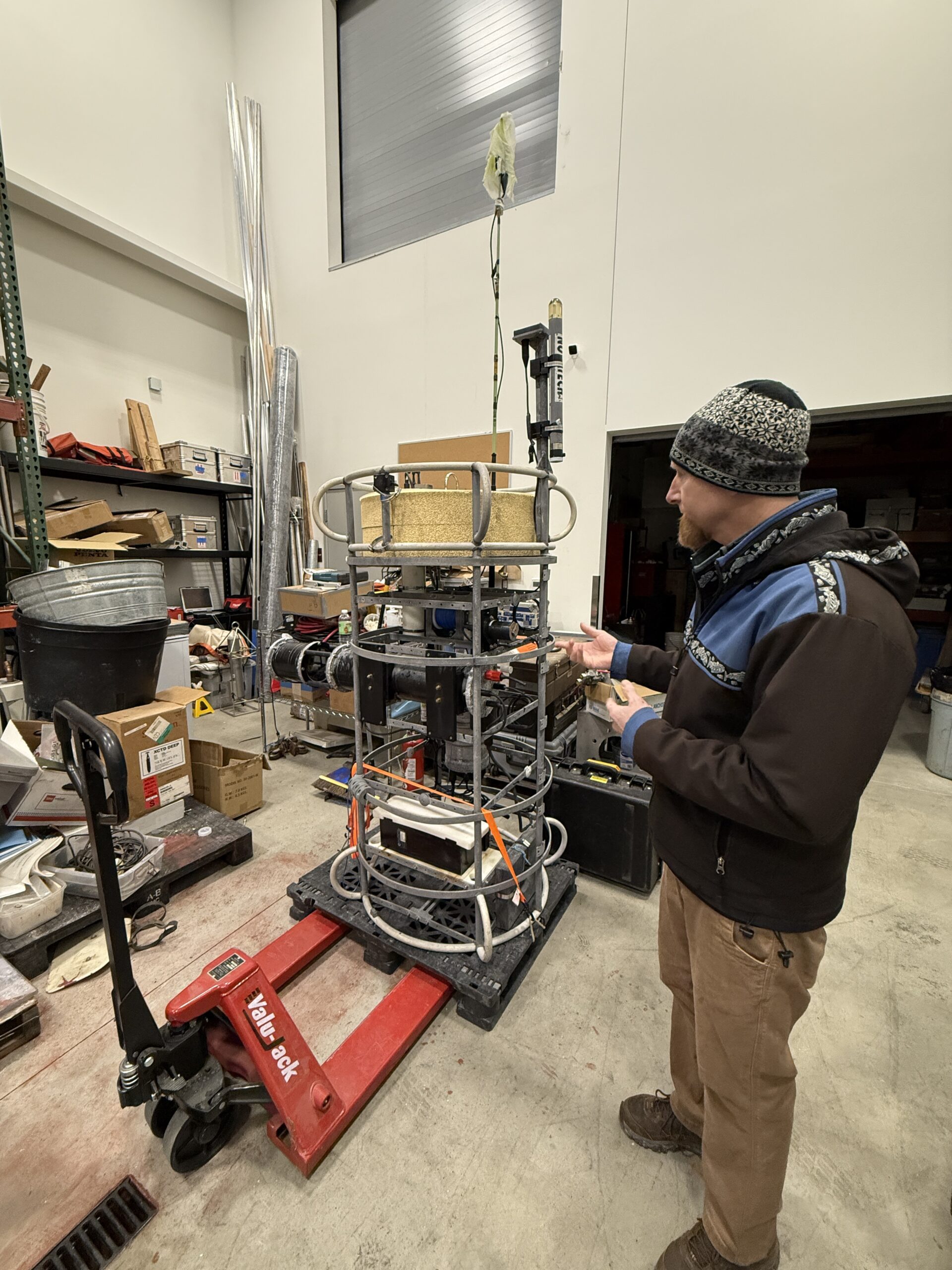
We saw first hand how the presence of scientific organizations in these small communities builds science literacy and strengthens community capacity to engage on emerging technologies like mCDR. We saw fishermen ask mCDR scientists what the carbon carrying capacity of the ocean is. We also observed community members asking questions about integrating technology with other coastal infrastructure. This strong response to ideas like mCDR further drive home that knowledge is power for these communities when it comes to safeguarding their resources and demanding transparent promises.
These questions and the depth of knowledge within the communities show us that mCDR developers need to be ready to ask the hard, technical questions. They cannot provide blanket overarching statements because in order to earn social trust, they will need to prove they are grounded in the best available data and information.

“The marine carbon dioxide removal field must recognize that the health and well-being of the ocean directly sustain coastal communities. Residents want to see new ocean uses advance in ways that acknowledge and respect this interdependence.” – Theresa Peterson, ADM
Our time in Alaska reinforced our drive to help create the conditions for communities to make informed decisions, rather than focus on building support for any specific technology. We saw the value of starting with community priorities, investing in governance before deployment, building long-term relationships, and elevating local leadership.
“People make sense of CDR, and mCDR specifically, through an ecosystems based lens, and so should we.” – Eric Sutton, Carbon180
Communities like Kodiak and Cordova are working to advance the conversation about what responsible and beneficial climate solutions, like mCDR, could look like. Building community understanding and confidence must be a central part of that process. If mCDR projects are designed thoughtfully, with meaningful community engagement, transparent decision-making, and clear local benefits, they are far more likely to earn public support. Developing that trust will take time, and Alaska must have the opportunity to define a process that reflects its unique communities, values, and relationship with the ocean. That is why fishermen and other ocean users expect to be engaged from the very beginning, not simply informed after decisions have been made. Their knowledge, experience, and stake in the health of the marine environment are essential to shaping responsible mCDR policy and practice. As we look ahead, the groundwork from Carbon180’s partnership with ADM has now set the stage for how mCDR governance and project deployment may take shape in Alaska.