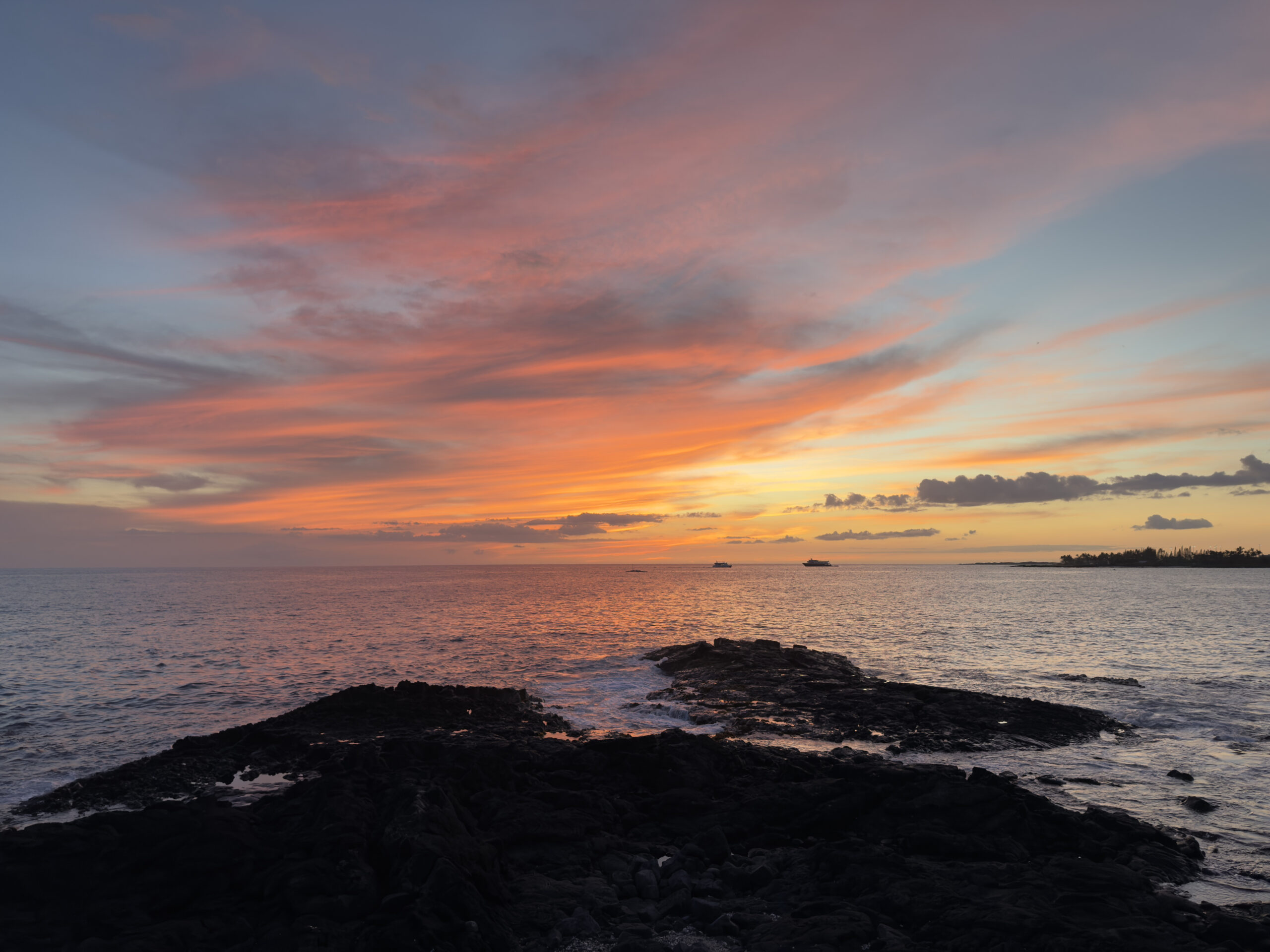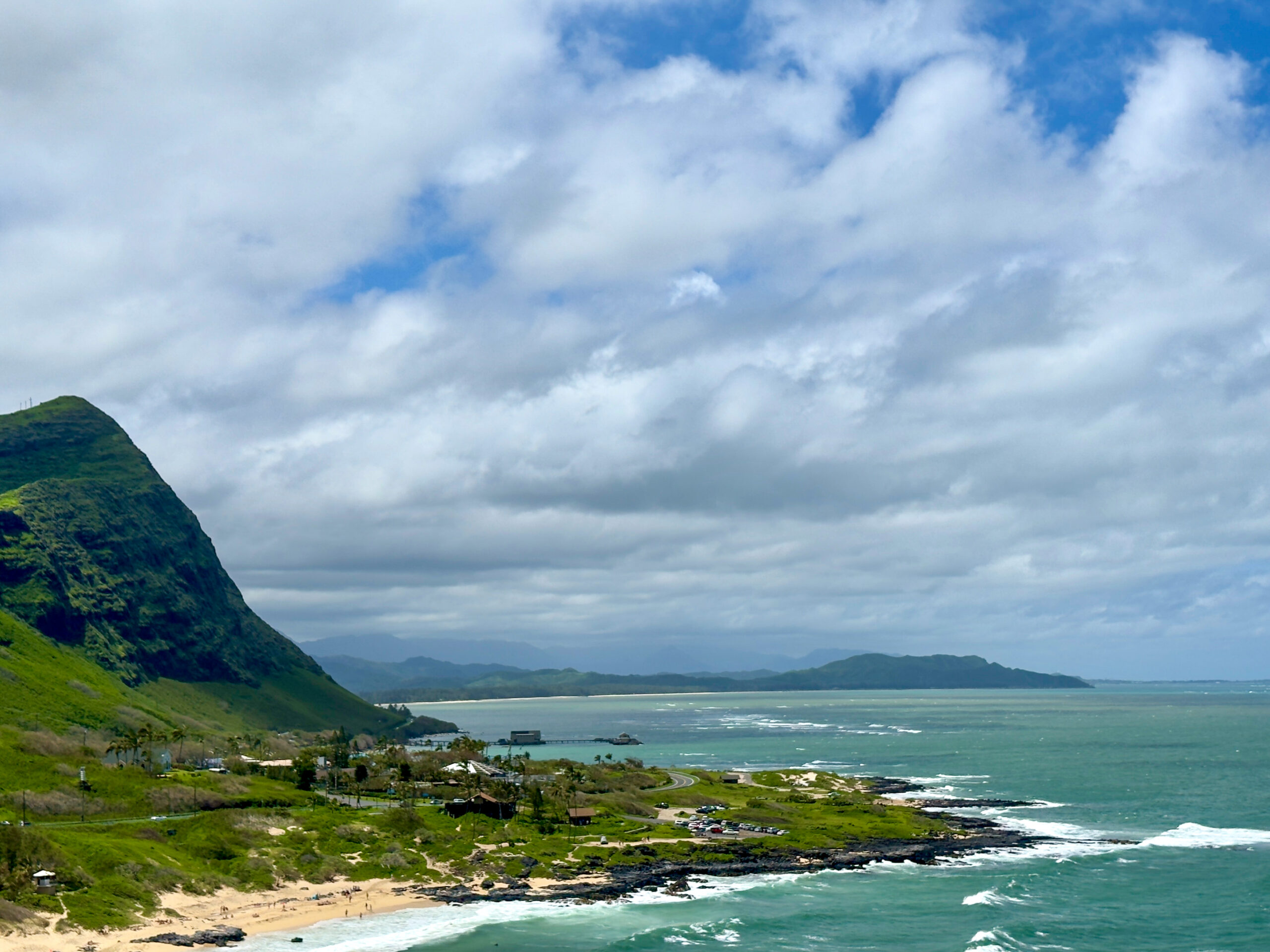
Our Hawai’i partners were covered on Hawai’i Public Radio.
In March, we traveled to Hawaiʻi to visit ‘Āina Momona, one of the first awardees of our Making Waves Coastal Community Regranting Initiative. Our plan was to deepen our relationship by spending time together, meeting with local partners and community members, learning about Hawaiian culture and their approaches to land and ocean stewardship, and exchanging knowledge about carbon removal and emerging climate solutions.
The Spirit of Aloha
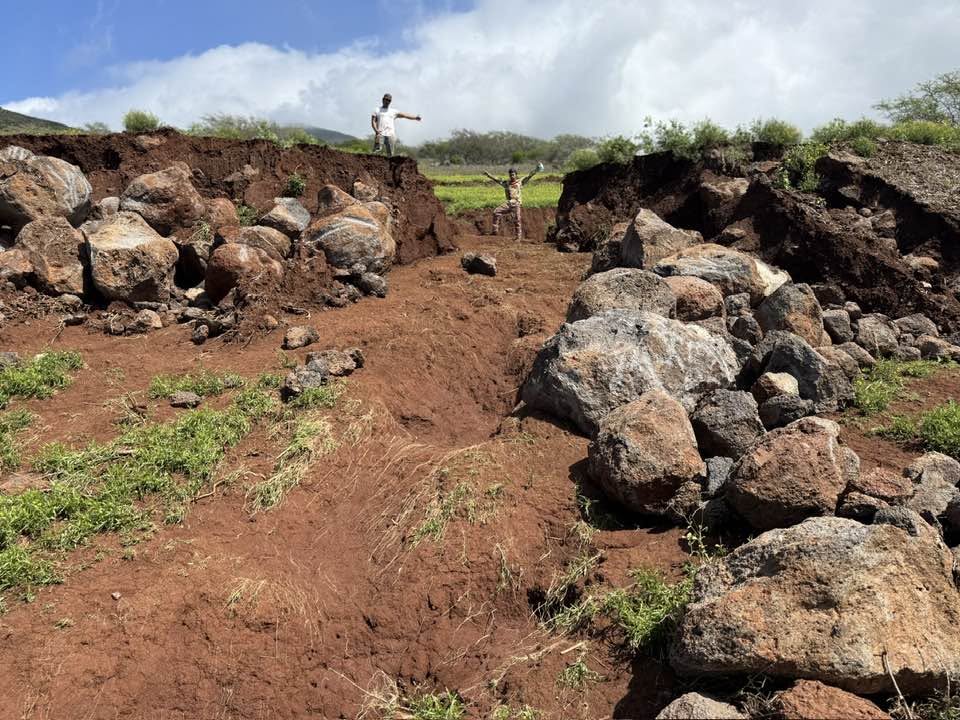
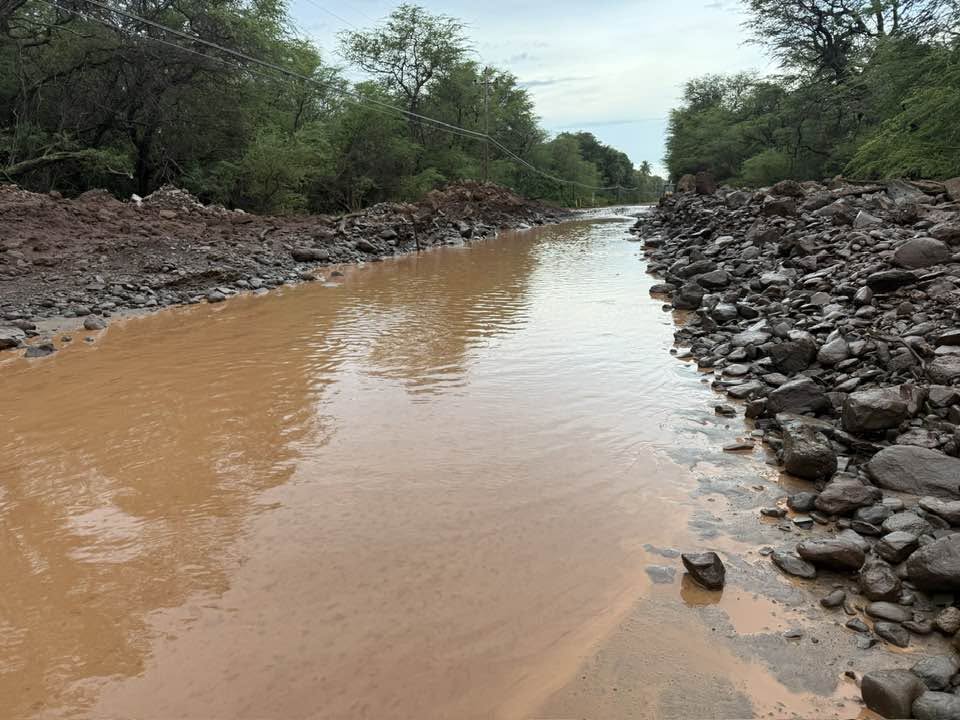
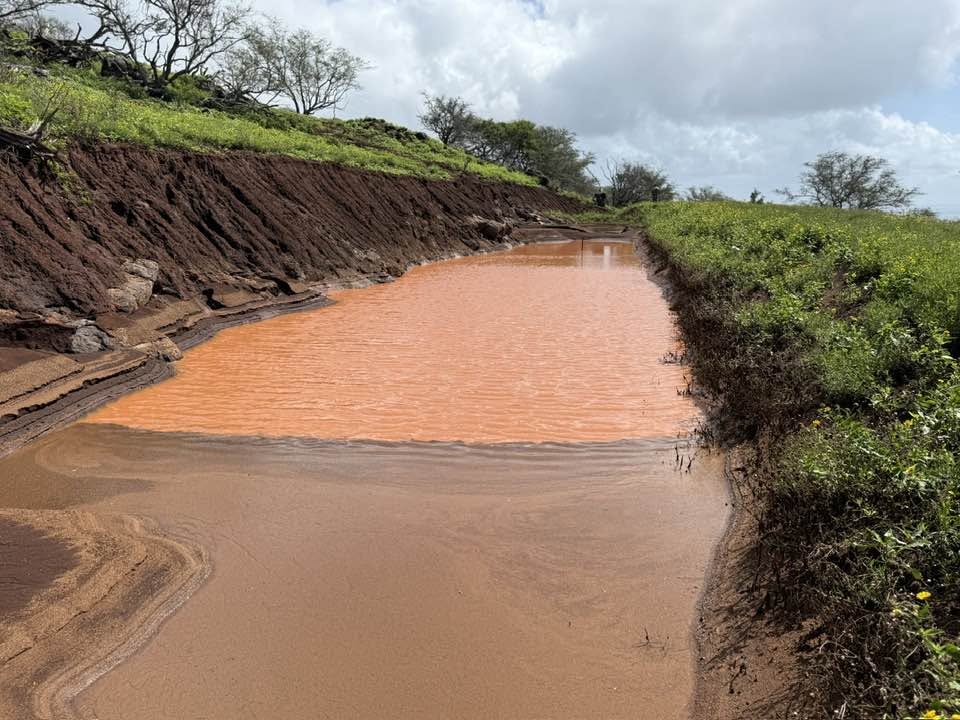
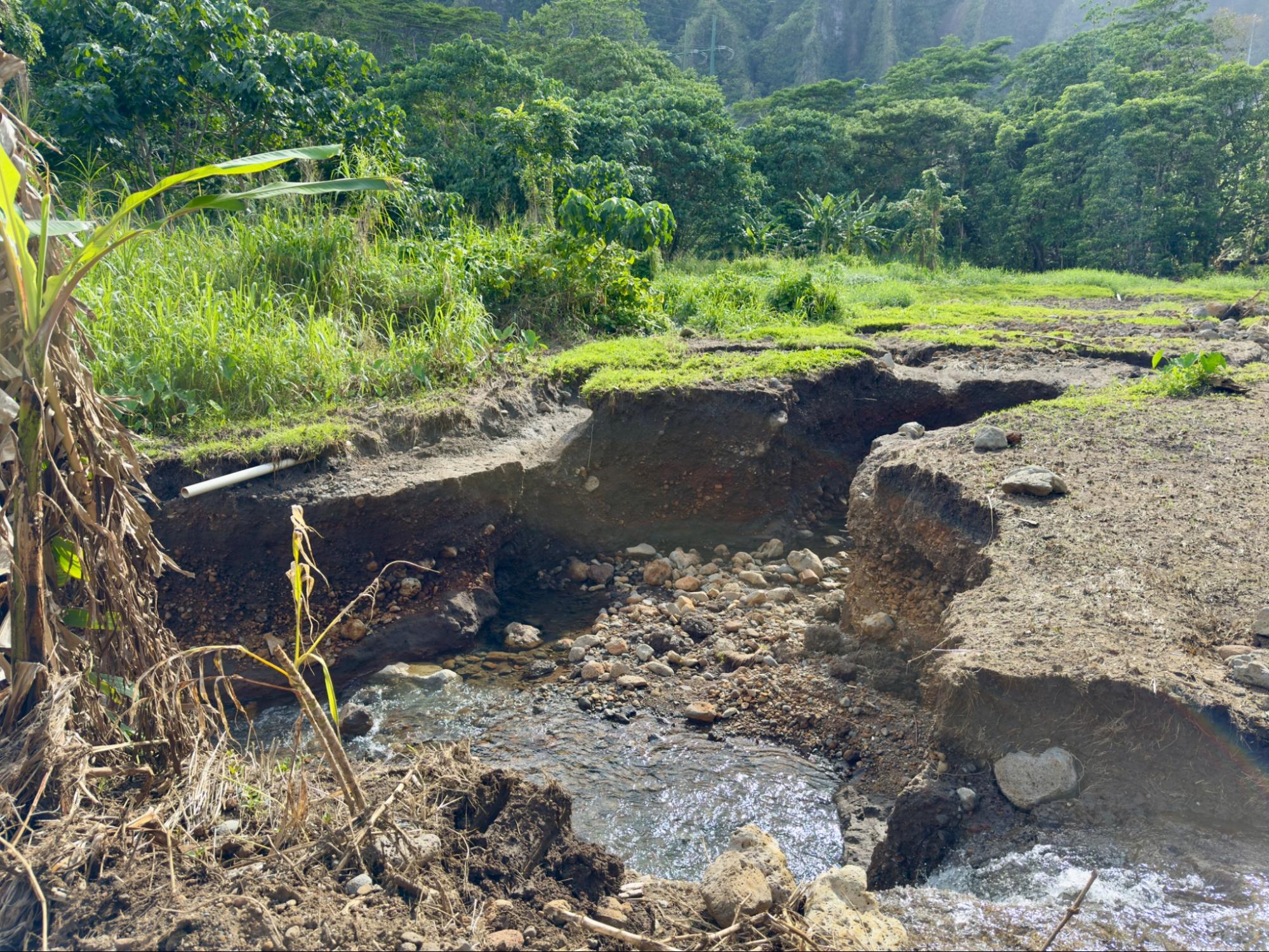
Our visit came just after the devastating Kona low storms hit, bringing historic rainfall and flooding across the islands. Homes and farms were damaged, and roads became inaccessible. The damage from these back-to-back, once-in-a-generation storms prevented us from visiting ʻĀina Momona’s field site on Molokaʻi, but the aftermath let us observe climate impacts first hand, and to pitch in with the recovery effort.
We were faced with the challenge of discussing future climate interventions in the context of immediate and present climate disaster. It was an important reminder of what is already at stake and gave new weight to the questions that brought us to Hawaiʻi in the first place: what does responsible climate action look like? What might responsible carbon removal require?
We went to Hawaiʻi ready to listen and learn. We found communities already steeped in the realities of climate change. They are doing the hard work of protecting their land and water, navigating policy, preserving culture, and asking what innovation could be when deeply rooted in responsibility to people and place.
“Kilo” is the Hawaiian word for ‘to examine, notice patterns, and understand a place before acting.”
As we approached storm cleanup in Haleʻiwa on Oʻahu’s North Shore, we were encouraged to kilo: to practice deep observation to take in an entire landscape – including surrounding land, water, neighbors – before taking action. It was practical guidance for the work in front of us, but also an incredibly fitting way to approach our entire visit and climate action more broadly: to observe before acting, understand what already exists, and pay attention to the interconnectedness of the world and any unintended consequences of our actions.
From mountain to sea
In Hawaiʻi, the ocean is intimately connected to every aspect of life.
‘Āina Momona helped us understand this connectivity through the Hawaiian systems of ahupuaʻa: a traditional mountain-to-sea land division that connects uplands and freshwater sources to agricultural lands, streams, fishponds (loko iʻa), reefs, and finally the open ocean. People are part of the system as well. Their genealogy (moʻokūʻauhau), food practices, stewardship, and general kuleana, or responsibility, all connect them to the place.
“Land, water, and people form one interdependent system, and the ocean cannot be segmented from the rest of the ahupuaʻa.” ~Torie Hoʻopiʻi ‘Āina Momona
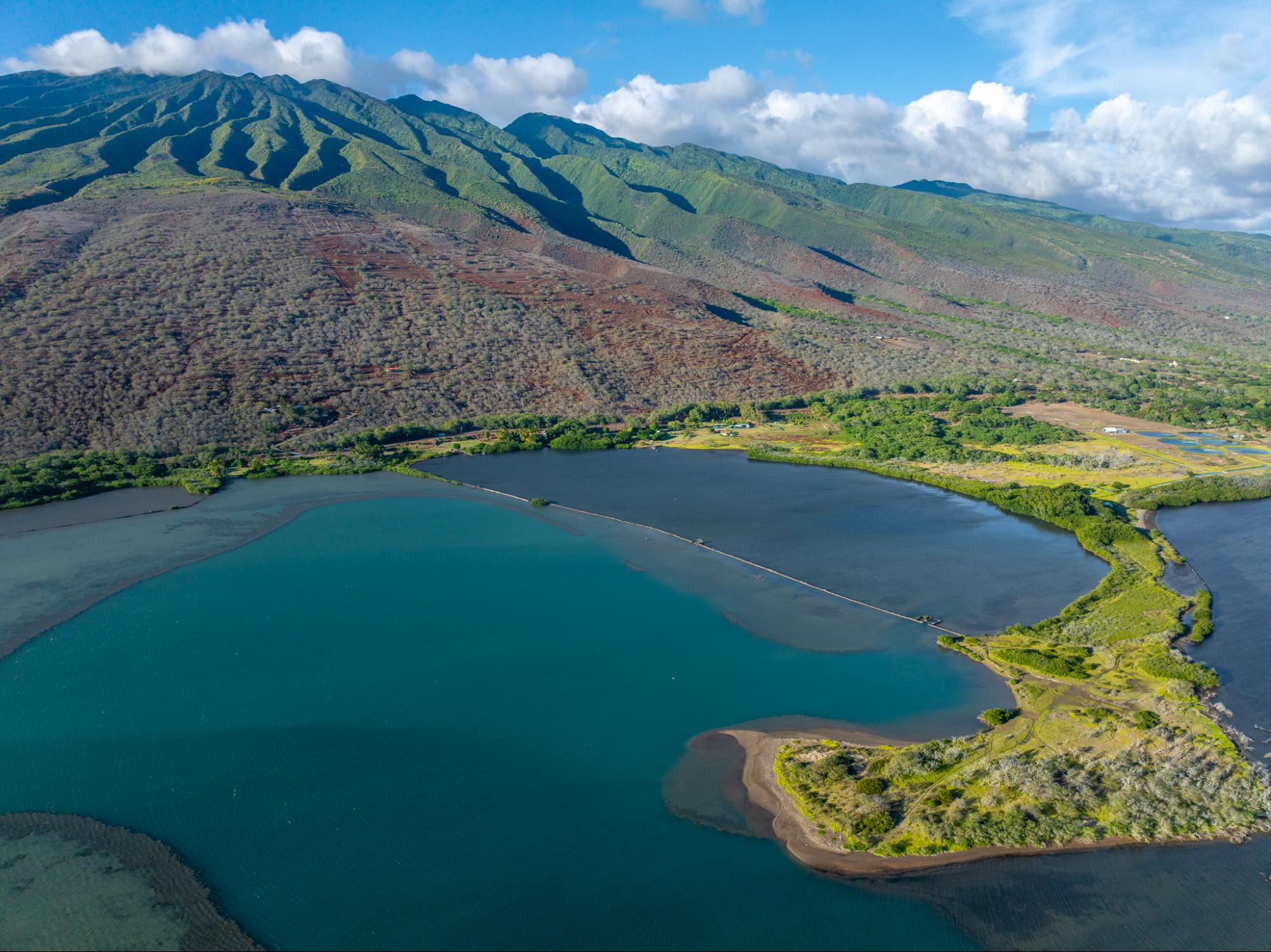
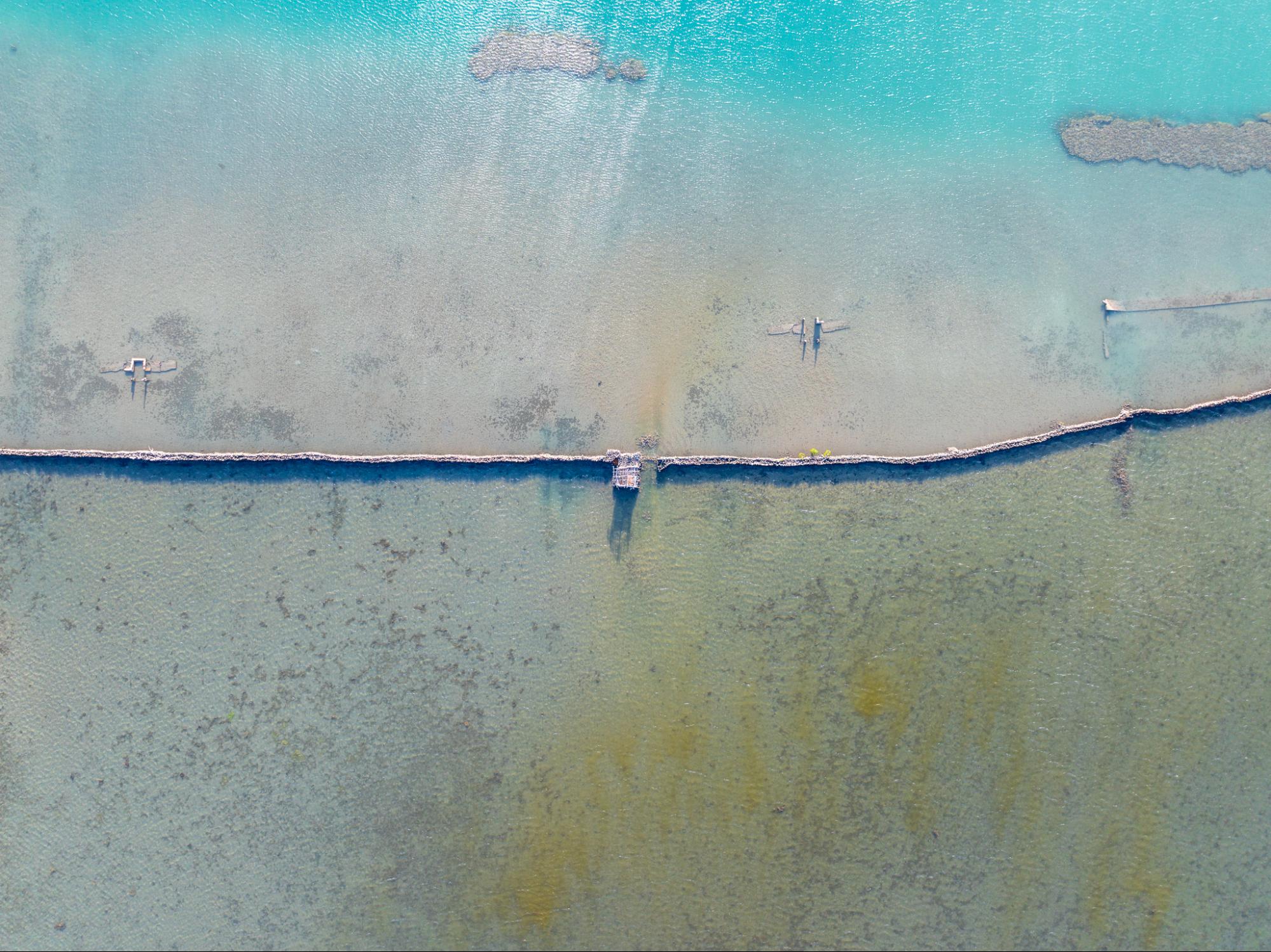
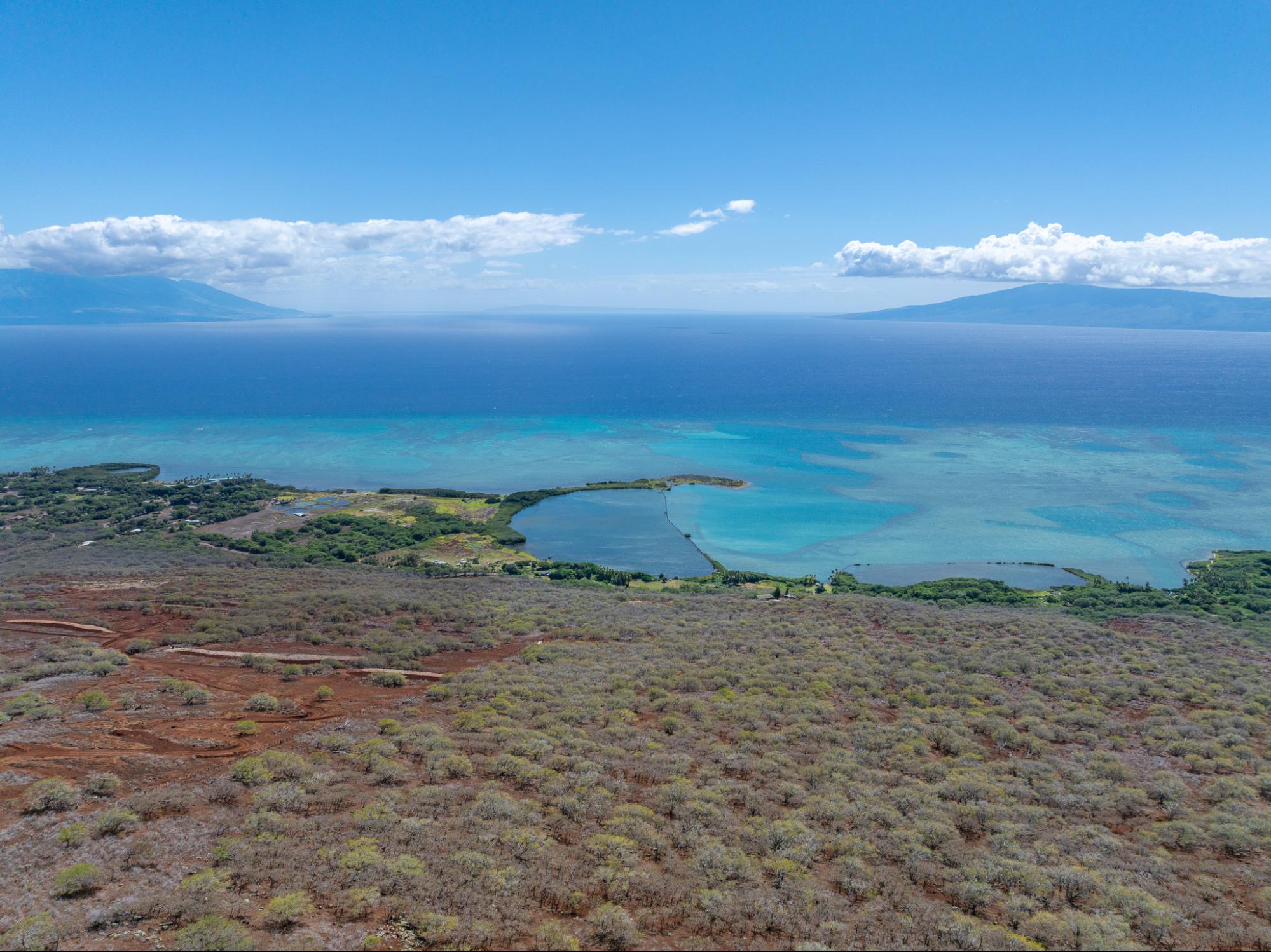
At their 55-acre Keawanui Fishpond on Molokaʻi, ‘Āina Momona is demonstrating how the traditional ahupuaʻa land and water management practices are also incredible adaptation strategies for the modern climate problem. On the steep slopes of the Hawaiian Islands, degraded uplands send muddy sediment downslope into the fishponds and reefs during storms. Restoring the land mauka (toward the mountains) can therefore protect the fish, coral, food systems, and families makai (toward the sea). This ahupuaʻa connectivity is a founding premise of the Hawaiʻi Ocean Use Framework for mCDR that ‘Āina Momona is developing.
We observed this mountain-to-sea connection throughout our visit.
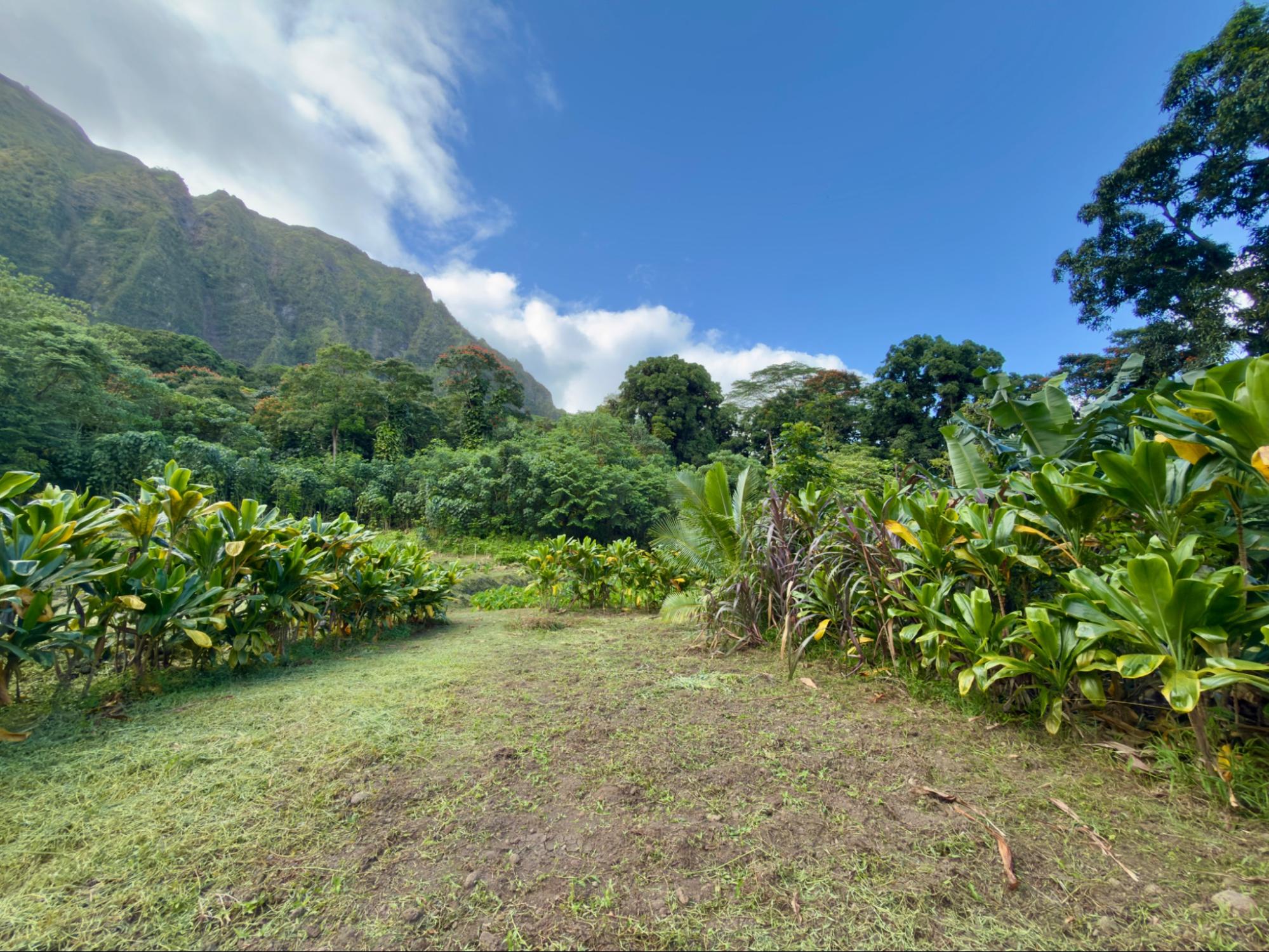
At Luluku Farms, we saw how heavy rainfall from the Kona lows had ravaged an ancient taro farm that was being restored to help feed the local community. The damage to the farm showed us how quickly changes in one part of a landscape ripple through an entire system.
The ridge-to-reef connection is not an abstract concept. It is visible in both the physical environment and the lives of the people who care for it.
“You can’t have a conversation about marine ecosystems in Hawaiʻi without also talking about land and water management”~Amanda Vieillard, Carbon180
Mark Paukuli-Stride from the Luluku Farmers Association showed us how traditional Hawaiian practices including terracing and low-and no-till agriculture can support local food systems and healthier landscapes – the farm was able to provide local food to thousands of community members before the storms. These traditional agricultural practices also increase soil carbon sequestration and are a wonderful example of the complimentary nature of Indigenous land and water management and climate solutions.
Meet the people who know these places best
Over the course of our visit, we met people working across community, culture, policy, education, and stewardship. Together, they showed us why emerging climate solutions like mCDR could (and should) be informed through multiple lenses at once.
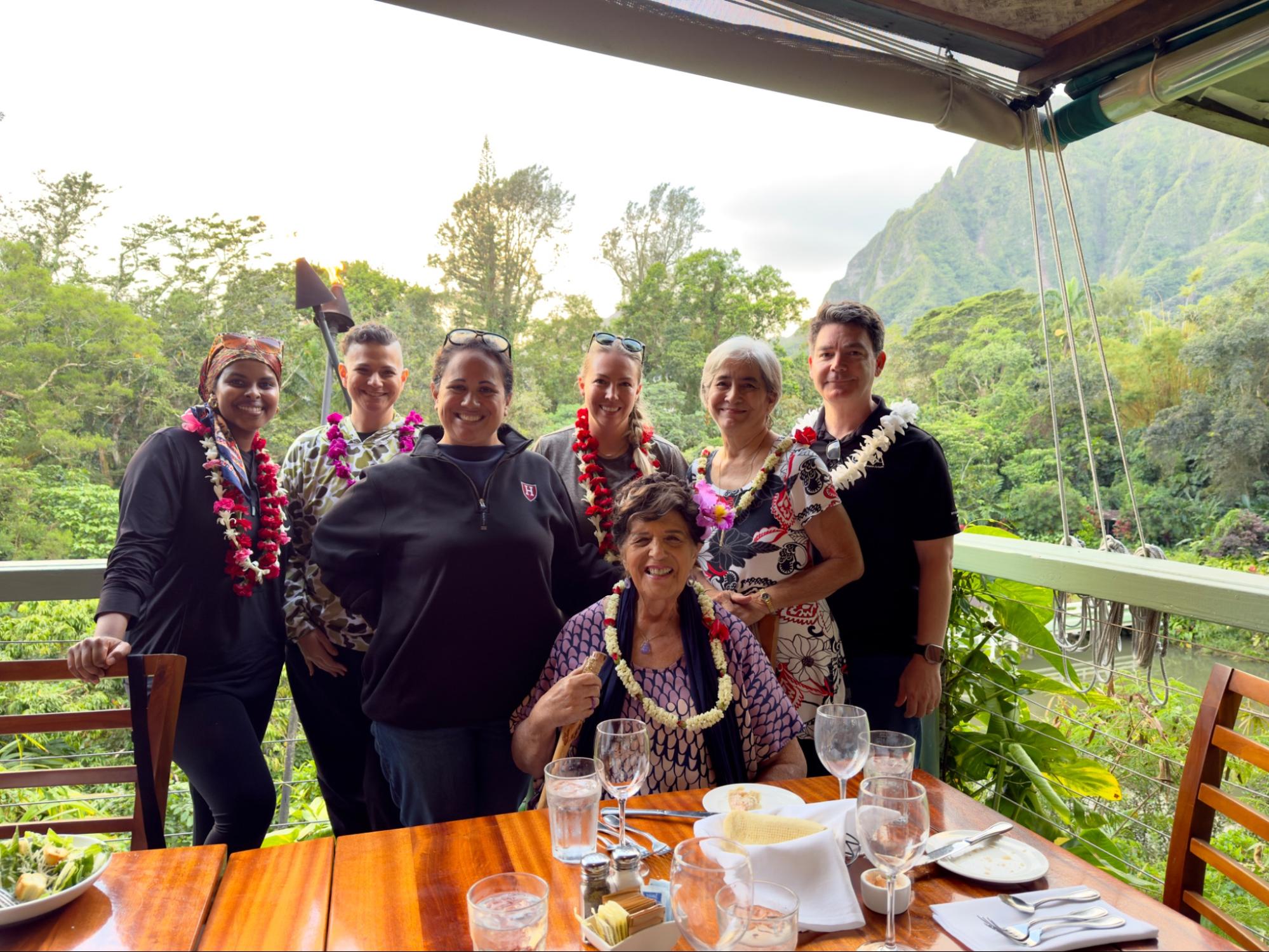
We met kūpuna (Hawaiian Elders) who have dedicated their lives to protecting Hawaiian nature, culture, and language through community-led advocacy and organizing. Kūpuna Rocky Kaluhiwa and Mahealani Cypher shared with us decades of stories of civil disobedience and coordinated grassroots policy action. When we shared more about carbon removal, they immediately connected it to work already happening at the state capitol and across their community networks.
In Miloliʻi, known as “Hawaiʻi’s last fishing village”, we met with Kalanihale, the community organization overseeing the Miloliʻi Community Based Subsistence Fishing Area – 12.6 square miles of coastal waters co-managed by the state and the community. The area is formally recognized and protected by the state, with management rules shaped through years of community leadership and traditional fishing knowledge. Here they combine traditional practices like ōpelu fishing with contemporary regulation in a working model of Indigenous-led marine management.
I found Kalanihale to be a highlight of the trip. I have never seen such deep and thoughtful organizing around coastal issues and successful co-management with the state. Their work is not only recognized and respected by the state of Hawaiʻi, but has become a clear example to communities […]… trying to learn how they navigated the bureaucratic system, secured funding, and still preserve their cultural practices in managing the fish and coastal region. ~Ugbaad Kosar, Carbon180
These are not simply people we consulted about carbon removal. They are experts already doing the work of stewardship, restoration, organizing, and governance. Their work provides essential context for understanding if, where, and how mCDR might fit.
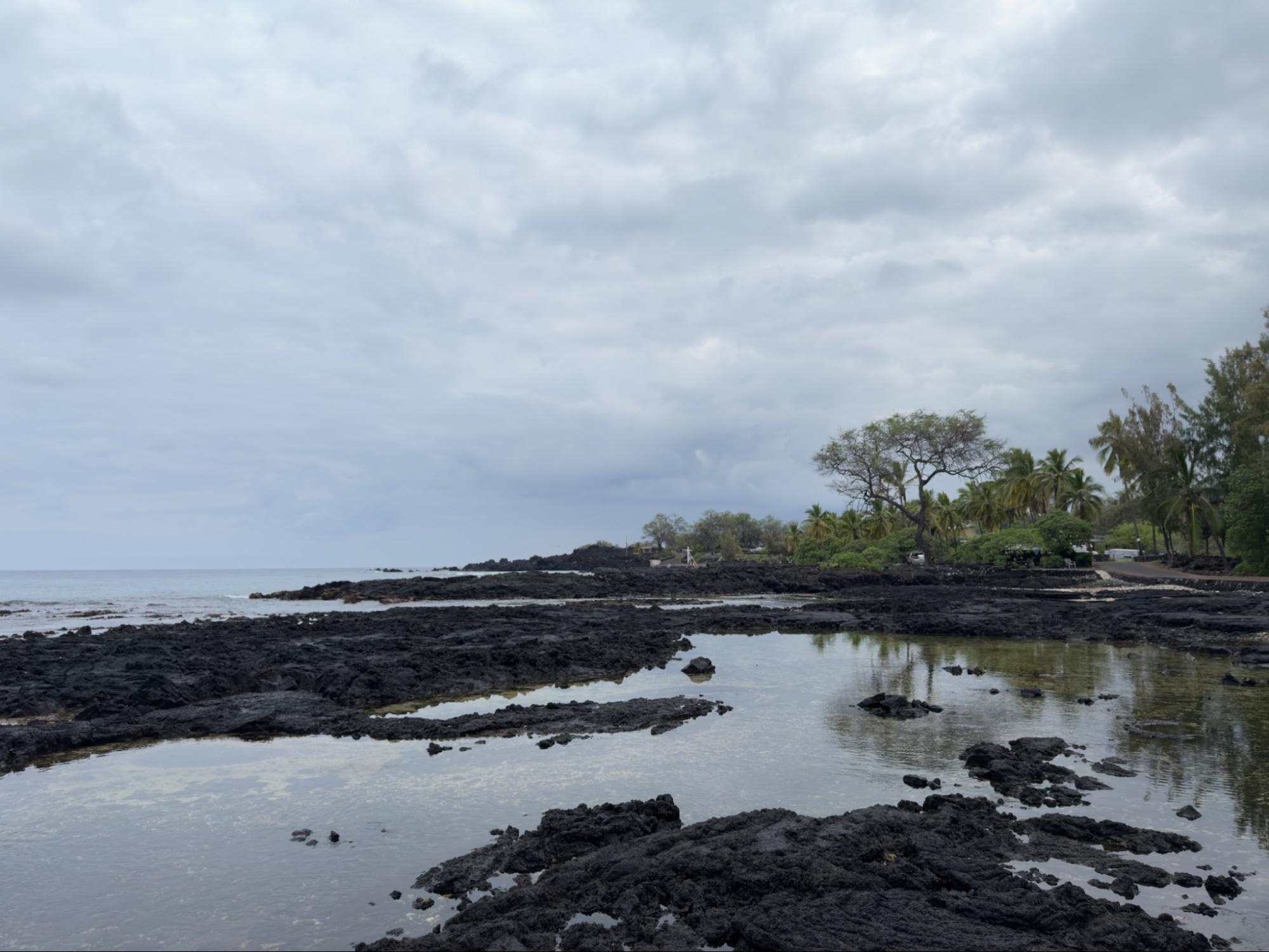
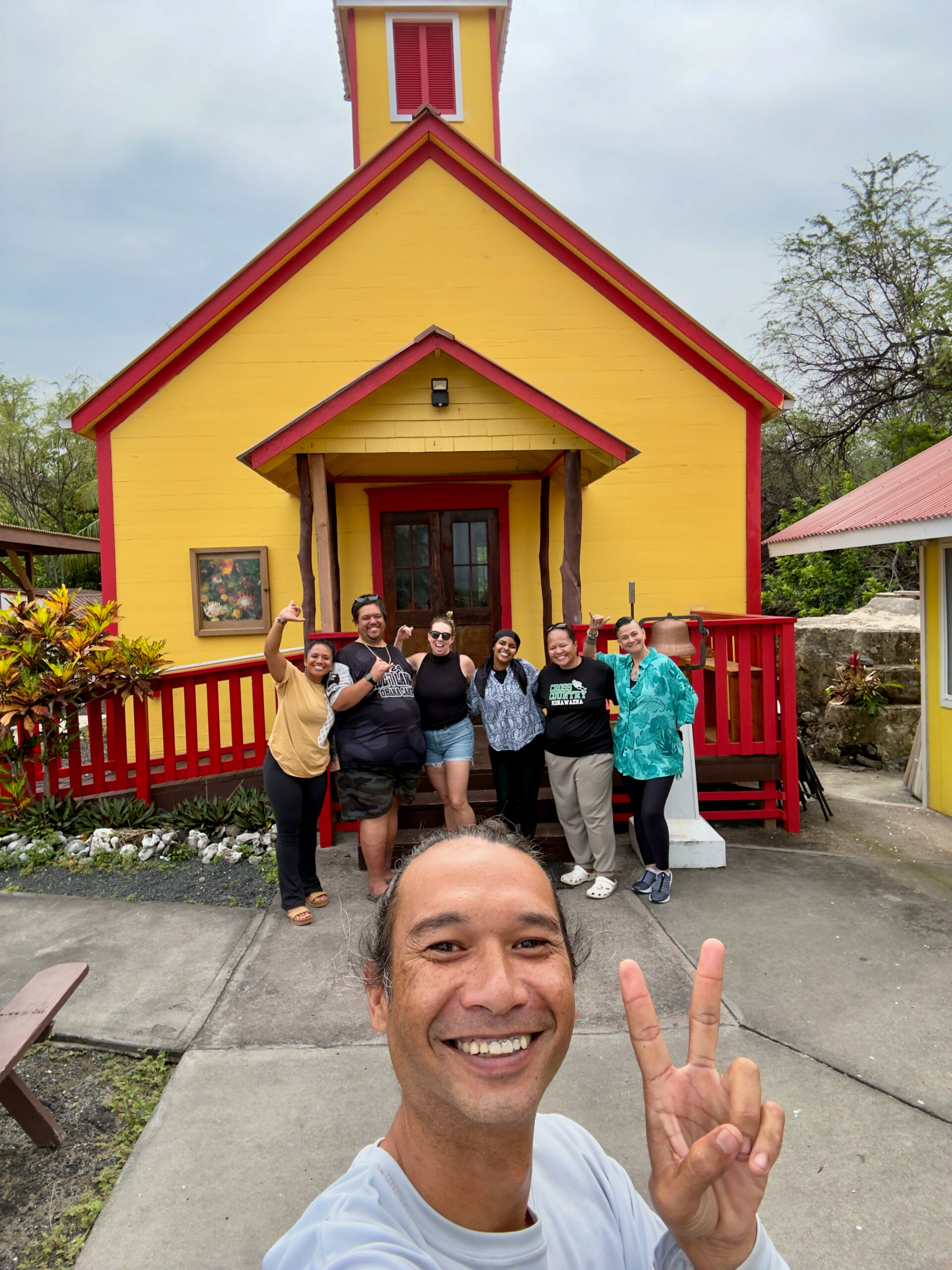
Kalanihale further highlighted that, in Hawaiʻi, climate change is not an abstract future challenge.
Fish spawning seasons have shifted dramatically; local fishers know this because they’re in the water doing their kilo every day. These changes not only affect daily operations and key fishing windows, but also how fishing knowledge is passed down to the next generation. Across Hawaiʻi, communities are similarly observing changes in coastlines, coral reefs, freshwater systems, and local food supplies. Despite the size of these challenges, the creativity, knowledge, and determination with which people are responding and showing up for their neighbors left a lasting impression.
Again and again, we heard and saw how Indigenous stewardship and climate innovation can be complimentary. New technology can support community priorities and cultural preservation when developed carefully, with strong safeguards, and with guidance from those who understand these places deeply.
Hawaiʻi is known as the state of extinction. I want us to be the state of innovation. ~Torie Hoʻopiʻi, ‘Āina Momona
What would it mean to get mCDR right?
The answers we heard were not about moving as quickly as possible – they were about protecting what is important. The openness to innovation in Hawaiʻi does not mean accepting every climate solution without question. The most valuable conversations we had were the ones that surfaced difficult questions. What could mCDR mean for marine ecosystems? What safeguards and cultural impact assessments are needed? And who ultimately gets to make decisions about what happens in Hawaiian waters?
These questions are also rooted in Hawaiʻi’s long history of governments, researchers, and companies using the island as a testing ground. Community concerns here are not barriers to innovation, but necessary considerations for responsible innovation. Our goal is not to persuade communities to support mCDR. Instead, we want communities to have the resources, information, and relationships they need to explore emerging climate solutions on their own terms.
Together, Carbon180 and ʻĀina Momona brought expertise in carbon removal, policy, and a rapidly evolving field. ʻĀina Momona brought deep relationships, cultural and place-based knowledge, and trust that cannot be built during a week-long visit. It was clear that working together yielded better, more nuanced conversations – and that is the point.
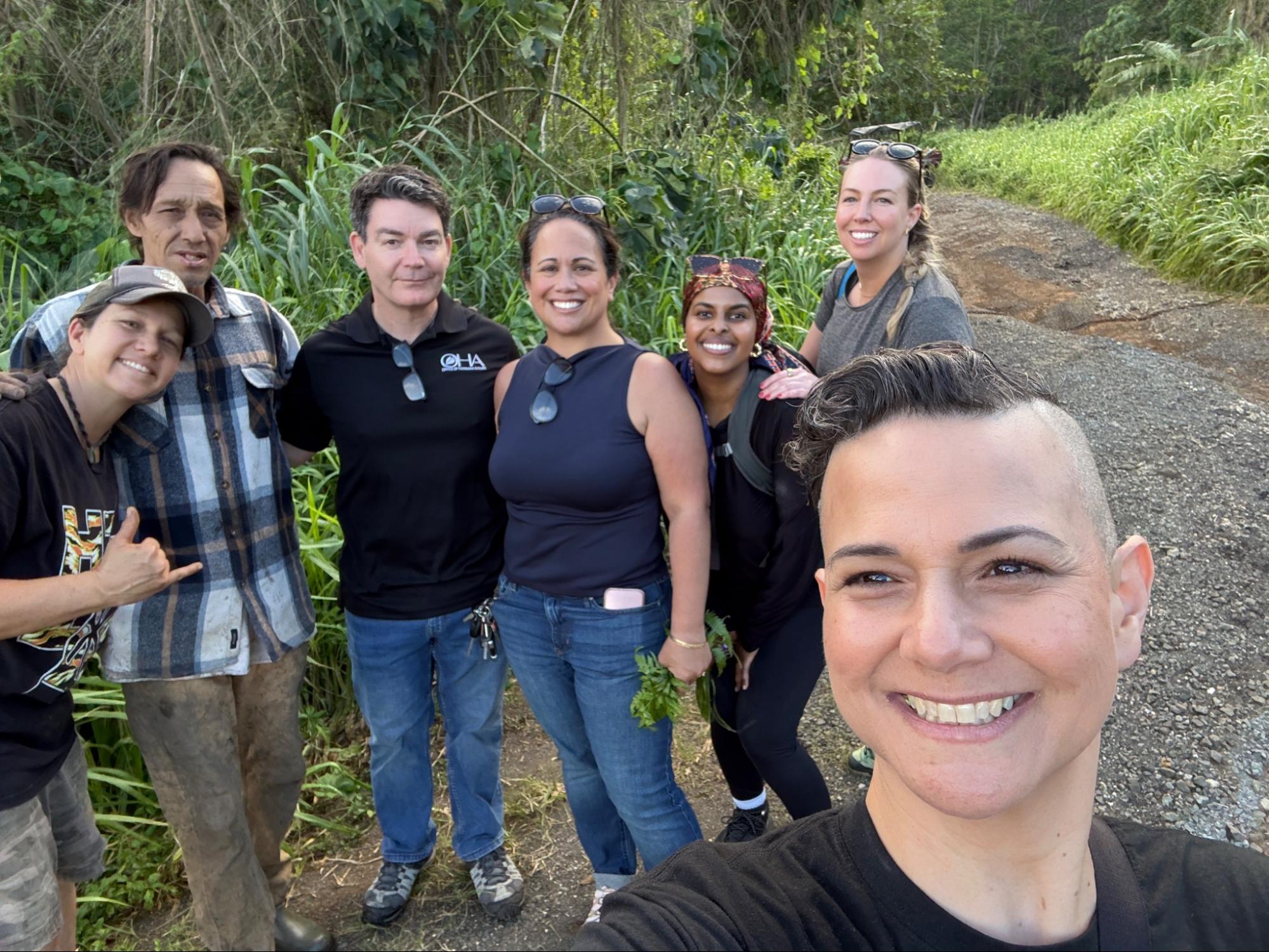
Together, we were able to have open conversations with policymakers, community members, and mCDR companies—including conversations about uncertainty, safeguards, experimentation, and accountability. Authentic relationships are not an accessory to community engagement; they are part of the infrastructure that makes meaningful engagement possible.
We were able to connect ‘Āina Momona with an mCDR startup operating a pilot site in Hawai‘i. It was a fantastic opportunity for members of the community to see an example of what mCDR technologies can look like and how they operate on the ground. Both the visit and the meetings leading up to it also gave ‘Āina Momona an opportunity to ask questions, lend insights on how such a project might be received, and provide tangible recommendations for how to engage with the state’s regulatory processes.
This was a particularly important connection, as ‘Āina Momona’s research has shown that roughly 78% of climate-literate, island-rooted respondents had little to no awareness that mCDR research was already underway in Hawaiʻi’s waters. They describe this as a governance gap, not simply a communication gap.
In response, ‘Āina Momona is exploring what responsible ocean-based technology development in Hawaiʻi should look like. Their approach is open, but cautious, emphasizing the need for long-term monitoring, independent measurement, cultural impact assessments, transparent public data, and accountability. They are pairing traditional indicators of ocean health observed through kilo with instrumented science, and they are driving home that communities need opportunities to participate before projects are designed and permitted, not after the biggest decisions have already been made.
This is more than simple consultation.
For ‘Āina Momona, “coastal communities” include fishers, gatherers, fishpond practitioners, cultural practitioners, and lineal descendants who carry active kuleana to those waters. They are not stakeholders to be consulted, but rights-holders and long-term observers. Their knowledge and relationships to place can help the field ask better questions, identify risks earlier, and ultimately build better approaches to climate action. With one of the country’s first mCDR pilot programs now in progress in Hawai‘i, ‘Āina Momona’s work to engage with Hawaiian coastal communities early and often in mCDR conversations is an example of a best practice for the field.
“For Native Hawaiians, the ocean is not merely a resource to be managed but an ancestor and genealogical relative, a source of food, identity, and practice that we hold a sacred kuleana to safeguard. That protectiveness is not obstruction; it is love and responsibility, and the field should expect it, respect it, and design for it from the start.” ~Torie Hoʻopiʻi, ‘Āina Momona
Interest and investment in mCDR are growing, creating an opportunity to build community engagement and accountability into the field while it is still taking shape. In Hawaiʻi, we saw what that can look like: communities protecting lands and waters, preserving cultural practices, and approaching new climate technologies with both openness and healthy skepticism.
Our time with ʻĀina Momona also reinforced why site visits are central to our regranting approach. Kilo offered a fitting lesson: observe before acting, understand what is already there, and learn from the people who know a place best.
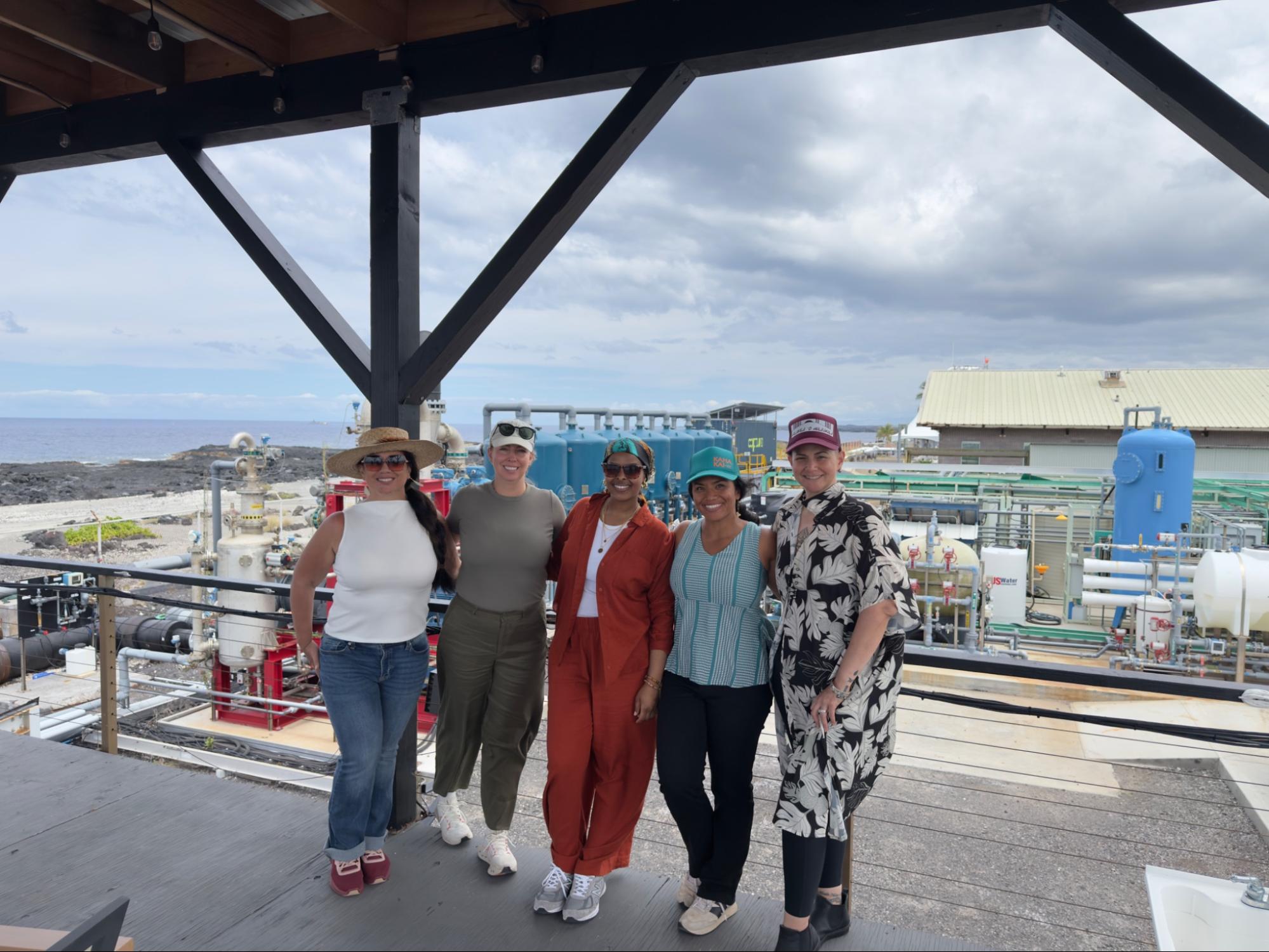
Hawaiʻi is one place, with its own history, culture, and priorities. But alongside lessons from our other Making Waves site visits, a bigger picture is beginning to emerge. Scaling community-centered carbon removal does not mean replicating one model everywhere. It means understanding what is place-specific, what lessons can travel, and what principles should guide us wherever carbon removal develops.
The future of ocean climate solutions like mCDR will depend not only on what we can build, but on whether we take the time to listen to the people who understand, rely on, and value what is already there.