Carbon dioxide removal (CDR) on agricultural lands can scale some of our most time-tested carbon storage practices right now, while helping farmers and ranchers withstand mounting environmental and economic disruption.

The scientific community recognizes that, alongside rapid emissions reductions, the world will need 5–10 gigatons (Gt) of CDR annually by 2050 to meet global carbon dioxide targets. To set us on this path, the US should aim to remove 30 megatons (Mt) of carbon dioxide per year by the year 2030.
Agriculture shapes our environment at a scale few other sectors can match, yet soil degradation has led to economic losses for farmers as well as a loss in ecosystem services. A history of agricultural policies that prioritize large-scale production of low-diversity annual crops over soil health has resulted in a “debt” of ~130 gigatons of carbon that have been lost in the top two meters of agricultural soils globally.
This deficit can be reversed. Policy can play a catalytic role in supporting our nation’s producers to transition towards more diversified, perennial operations that remove carbon while building soil health, environmental resilience, and stronger farm enterprises.
To scale carbon removal durably across agricultural lands, we need a broader transformation of our food and agriculture system. A new generation of policy is needed to nurture soil health, stabilize yields, enrich ecosystems, build operational resilience, and protect farm legacies.
Daphne YinDirector of Tech & Land Policy
CDR on agricultural lands is a necessary climate solution
Land-based agricultural carbon removal has an important role to play in a phased, portfolio approach to drawing down legacy atmospheric carbon. Many land-based pathways are shovel ready, and rooted in long-standing practice. US croplands and grasslands are already a net carbon sink of 20-50 MtCO2e per year. Moderate, sustained adoption of conservation practices across 175 million acres could more durably remove an additional 106 MtCO2e annually over the next two to three decades. More aggressive adoption on 336 million acres could remove as much as 204 MtCO2e. Emerging pathways like biochar and enhanced rock weathering could further scale removal with longer-lasting storage, though more research is needed to confirm feasibility.
Done well, agricultural carbon removal pays off beyond carbon benefits, with greater biodiversity, more diverse farm income, and improved yields.
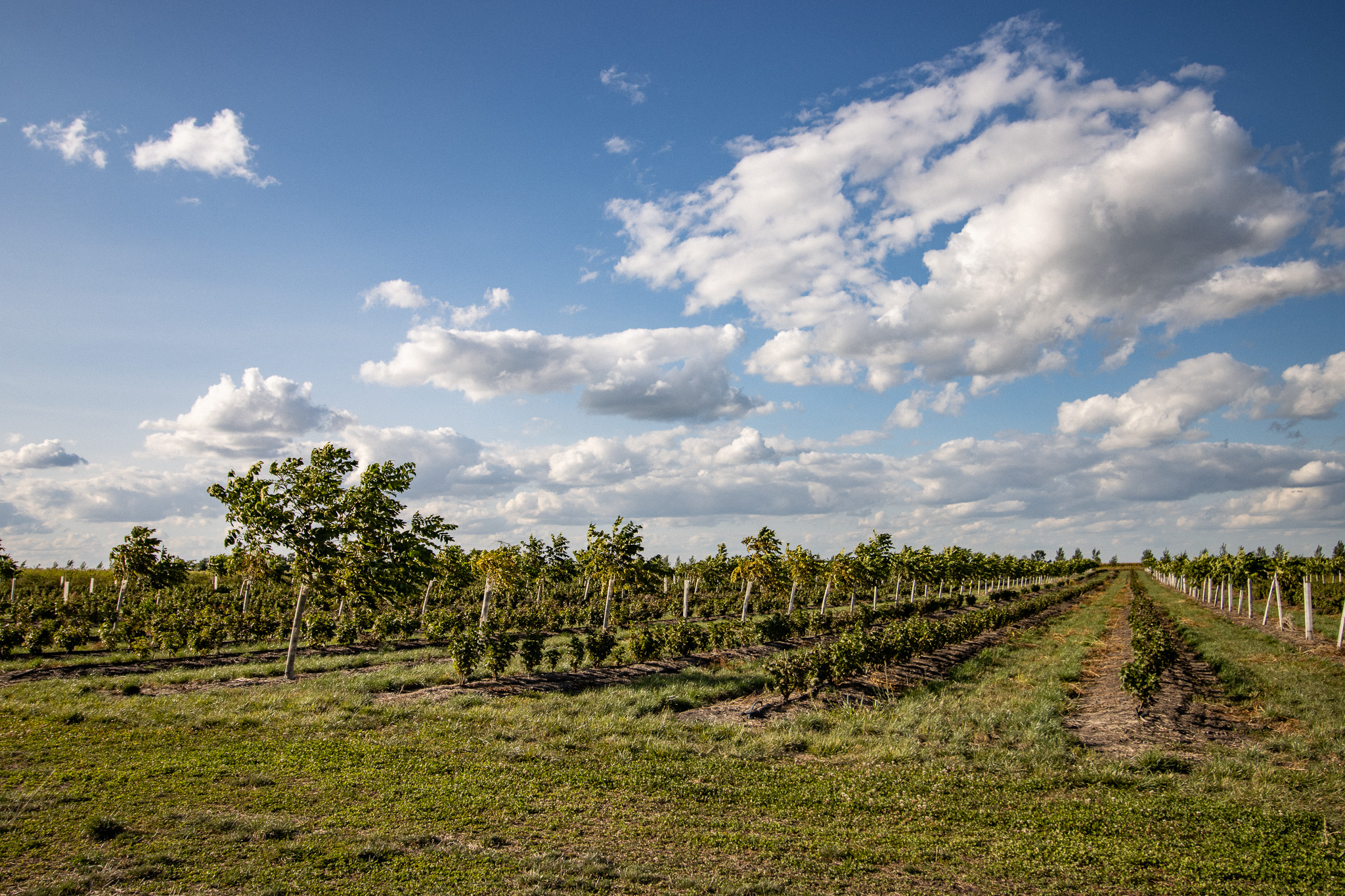
Supporting land stewards through catalytic federal policy
Living Ground, our agriculture vision paper, shares perspectives on key barriers and solutions for restoring carbon for healthy agricultural lands, drawing on our listening sessions with over 200 land stewards across the United States, as well as interviews with scientists and technical service providers.
Our federal policy roadmap, Restoring Carbon for Healthy Agricultural Lands, uses the five enabling conditions that surfaced during producer listening sessions to focus our federal policy recommendations. Below are our recommendations, with our top priorities highlighted, to detail what it takes to transition our agricultural system to one that allows land stewards, communities, ecosystems, and our planet to prosper.
| Enabling Condition | Recommendations |
|---|---|
| Infrastructure and Market Access |
|
| Land Access and Tenure |
|
| Technical Assistance and Local Capacity Building |
|
| Incentives and Risk Mitigation |
|
| Monitoring, Research, and Development |
|
More on land policy from Carbon180
-
Report
-
Fact Sheet
-
Case Studies