Hypothetical Land CDR Program
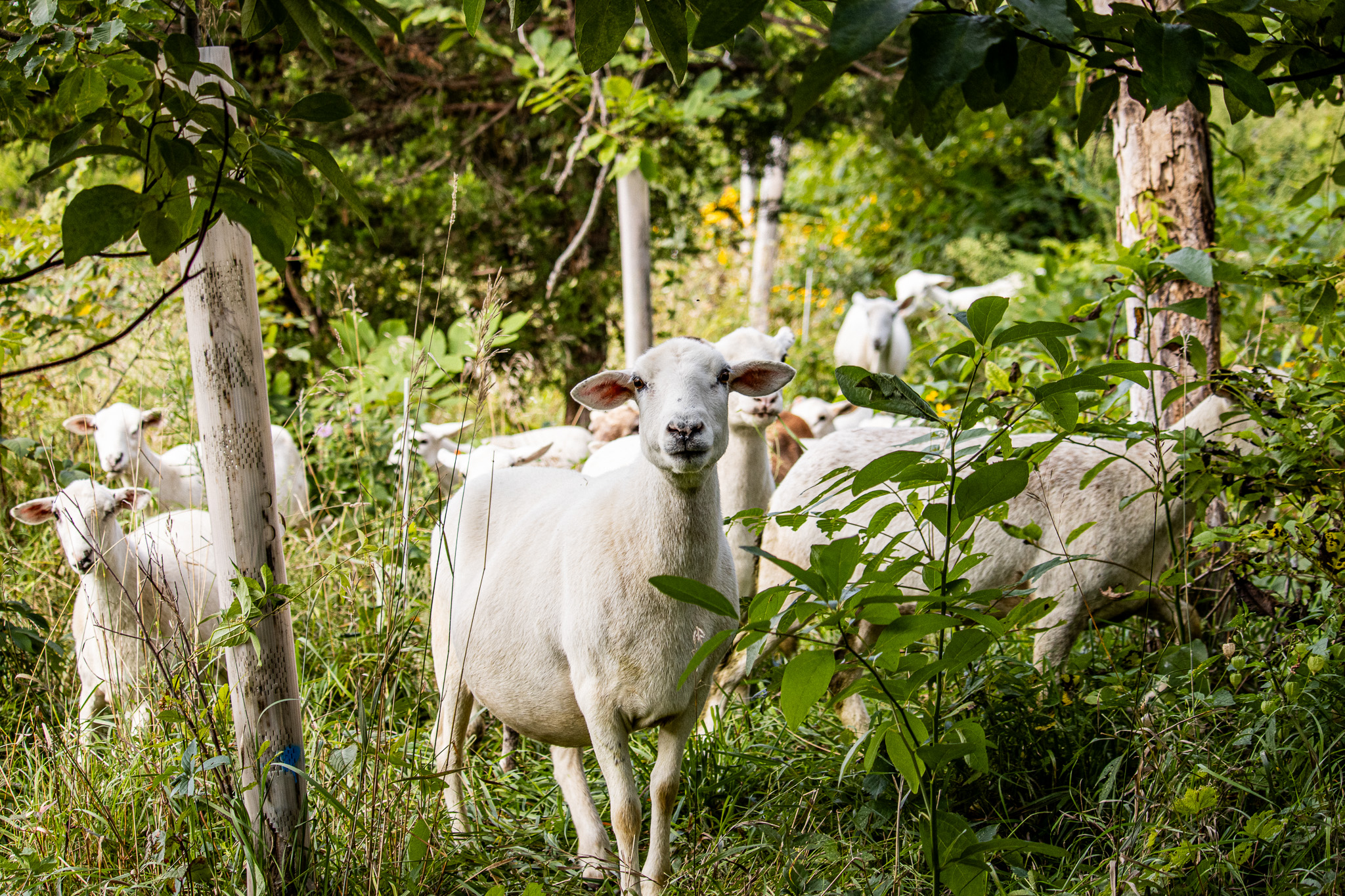
I am developing a state program to increase agricultural resilience in a water-stressed part of the country.
I intend to quantify the carbon removal impact towards our state climate goals. I begin my work with a stakeholder analysis (guidance, template, example) which identifies general farmer groups and some regenerative agriculture advocates, as well as divisions between landowners vs laborers and hillstead vs valley farmers.
Laborers in particular are less likely to be fluent in English, while hillstead farmers are economically insecure. I design listening sessions (guidance, template, example) stratified to capture these group’s perspectives, with attention given to affordable and multilingual access (guidance, template) and comprehensive information sharing (guidance, example) with participants.
The session also seeks community insight on environmental and human health impacts from proposed changes in farm practices, supplementing compliance with regulatory requirements (guidance, example).
As an outcome of these sessions, I learn of key constraints and concerns. Farmers with tight finances cannot afford to upgrade farm equipment or spend time on new paperwork, even if offered an eventual payback. Additionally, farm workers don’t see benefits to time-consuming re-skilling with little promise of increased wages. Across the board, participants seek guarantees about privacy and non-onerous compliance.
Based on this feedback, I begin to design an incentive program (guidance, template) that offers financial support for purchasing new farm equipment for regenerative agriculture, paired with an educational requirement.
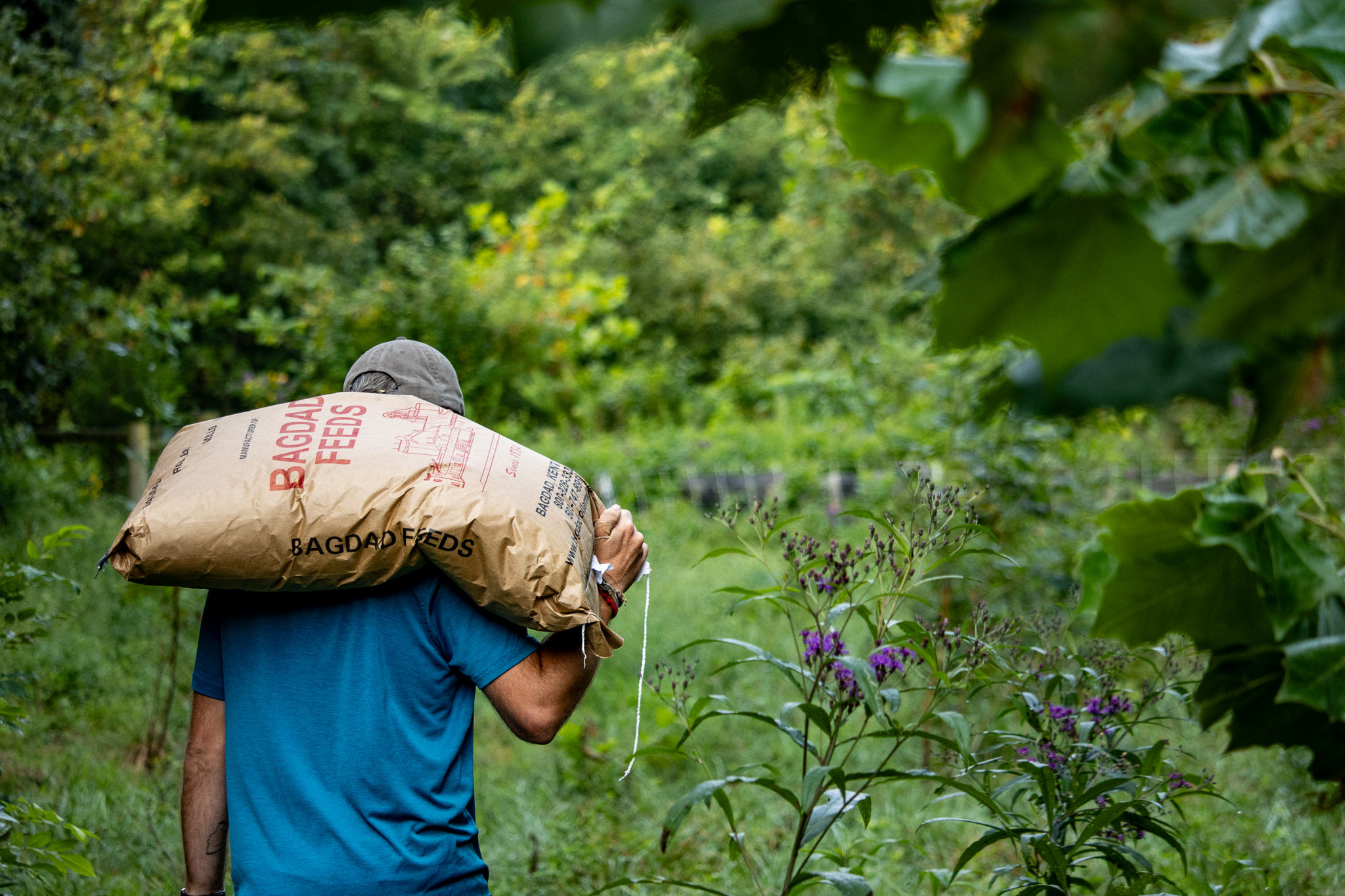
Paid retraining for farmworkers are hosted by program participants, provided in common languages, and are accompanied by continuing education credits accepted by the local university and industry certifications. To ensure that program design meets the needs of the community, I invite listening session participants to engage through a steering committee (guidance 1, guidance 2, template, example) with seats held for representatives from the key recognized stakeholder groups (guidance, template).
This committee will also evaluate impacts as part of an annual review process ahead of the agency’s internal annual review.
Although the program overall must gather data that shows carbon impact, most individual farmers are participating for their economic security and to improve drought resilience. As such, I design data collection to understand carbon impacts in aggregate (guidance, guidance) and without individually identifying information.
The program uses publicly available and peer reviewed models and parameters to determine carbon removed by program funded activities (guidance, example).
Assumptions are validated by backtesting the model on a few sample sites and results are compared to baseline adoption of regenerative practices in the region, to test program reach and impact. Carbon impact is credited towards the state’s climate goals, and tracked by the state inventory’s governing body to ensure that the impact is not double-counted (guidance).
After the first year of implementation, the program is reviewed by an independent verification body to ensure compliance with crediting requirements and accurate community impact data (guidance, example). This includes evaluation of lifecycle emissions, durability, and co-emissions.
Engagement activities are evaluated by surveys to ensure community involvement approaches are meeting intended goals (guidance). All aggregated data and verification results are made available to the public and to the steering committee, which provides feedback and support for continued program improvements. The potential for reversals is recognized through a maintained buffer pool. Continued program access to public funds is dependent on the ability to meet both success metrics for regenerative ag supplements, carbon storage, and community benefits.
Reports on program outcomes as well as information on how feedback has been incorporated into the program will be released regularly through online platforms and local news circulation.