Hypothetical DAC Project
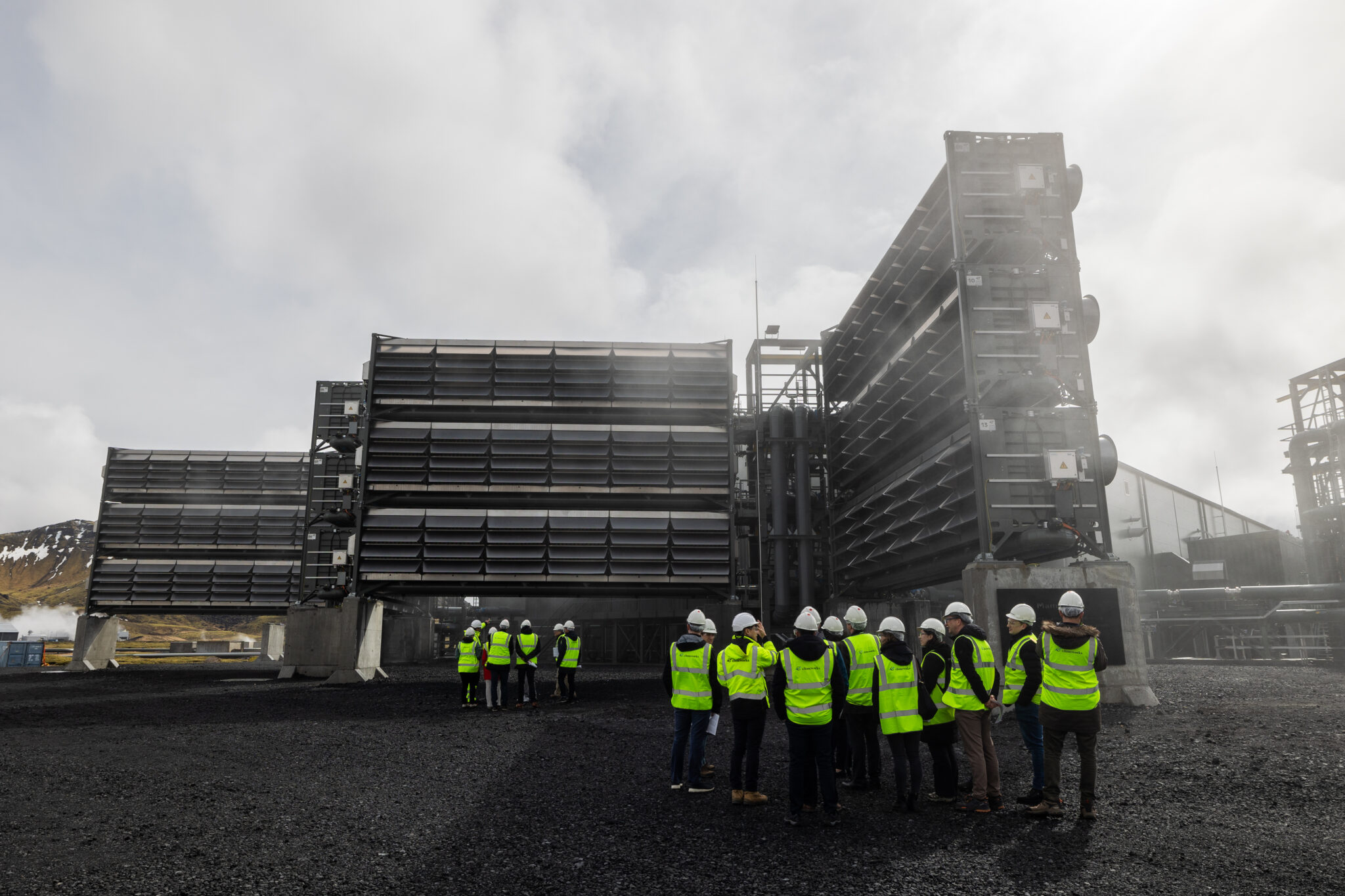
I am developing a direct air capture facility designed to remove one million metric tons of CO₂ per year, with onsite geologic sequestration under a Class VI injection permit. The facility is expected to operate for 20+ years, with at least 50 years of post-closure monitoring.
Our first step begins with public disclosure of our potential project and an evaluation of potential locations. For a site being strongly considered, we would do a cumulative burden analysis (guidance) to understand assumptions around risk, existing pollution loads, and important social contexts like labor conditions and historic inequities. We would also publish a full system boundary disclosure (guidance, example*) that describes the emissions, impacts, and activities that are counted. All of these materials are shared publicly and translated into the second most widely spoken language in the area, to improve accessibility.
Local government agencies provide baseline geological and environmental datasets and clarify regulatory pathways, which helps reduce uncertainty for both our team and any potentially impacted groups.
In anticipation of the site selection process, community-based organizations (CBOs) work with local government to form a representative advisory committee (guidance/template, example). They are tasked with identifying local sensitivities and to share points of contact for future engagement.
Philanthropic organizations support this effort (guidance, template, example) and fund independent technical advisors so residents can meaningfully assess project and carbon accounting assumptions. Project financiers are providing us with milestone-based readiness funding (guidance, example) tied to transparency and scientific rigor.
Once we have an ideal location, we begin our community engagement process. We propose our potential project and invite feedback through public meetings that are compensated, documented, and made publicly available (guidance).
Rather than have a one-off consultation, we work with the local government and a community advisory board to negotiate a community benefit agreement (CBA) before submitting the final permit application (guidance, template, example). This agreement includes enforcement mechanisms, escalation pathways, and successor clauses to ensure that commitments are binding no matter what happens to project ownership.
When structuring project financing, we allocate revenue streams that can support long-term community priorities. This includes establishing a “Community Climate Resilience Fund” and a protected long-term monitoring endowment. We also secure liability bonds (guidance, example) and other financial assurance tools to cover potential reversal scenarios or unexpected remediation needs.
As we move into the construction phase, we begin by establishing a Project Labor Agreement (PLA) and commit to local hiring and strong labor standards (guidance, example). Throughout construction, we maintain publicly available dashboards that track environmental indicators such as water use and air quality in real time.
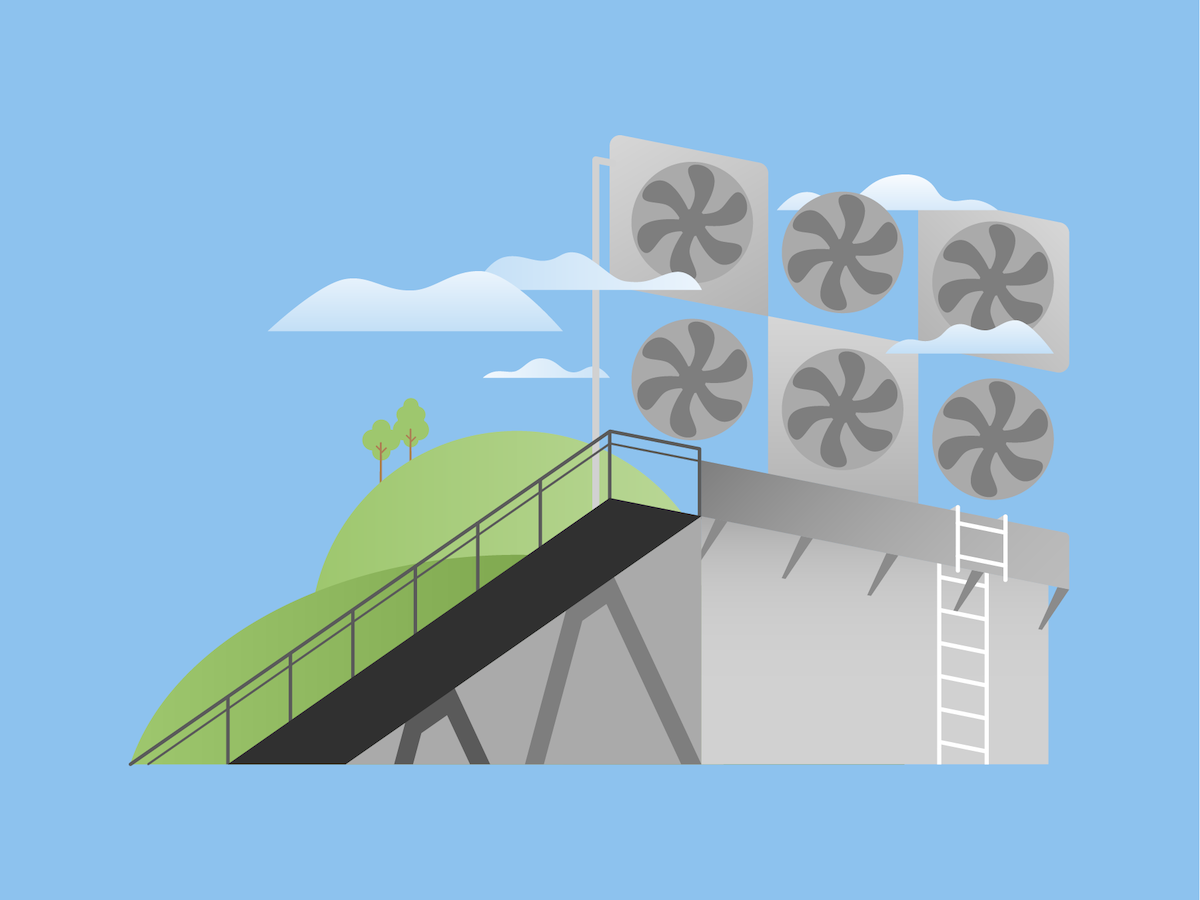
Once operational, the facility captures and effectively injects one million of CO₂ annually. We implement a monitoring system that includes subsurface pressure and temperature sensors, groundwater monitoring wells, seismic and plume-tracking surveys, and surface CO₂ flux monitoring to detect potential leakage (guidance, example).
We publicly publish annual durability and reversal probability reports, including uncertainty ranges. Community representatives participate in annual monitoring assemblies and maintain oversight roles in verification processes. Purchasers audit monitoring, reporting, and verification compliance and ensure contractual integrity. The government retains authority to enforce permit conditions and require corrective action as needed
Ten years into operations, we will conduct another cumulative burden reassessment to evaluate whether project impacts have shifted. Community benefits may be renegotiated based on updated data, as outlined in the CBA. Independent environmental and social audits are published. The government reviews compliance data and adjusts oversight if needed. Purchasers reassess procurement alignment with updated standards.
Five years before shutdown, we begin workforce transition planning, including retraining and job placement support. At closure, Injection wells are sealed under Class VI standards and independently verified. Surface infrastructure is removed or repurposed through consultation with local government agencies and impacted communities. Lastly, long-term monitoring is funded for at least 50 years through a protected endowment established at the start. Annual public durability reports continue.
* Note: This example focuses on lifecycle boundaries for a single carbon removal technology. It does not represent the level of transparency of data, comparability, and public disclosure that the CORE framework emphasizes for defining full system boundaries.