Blog
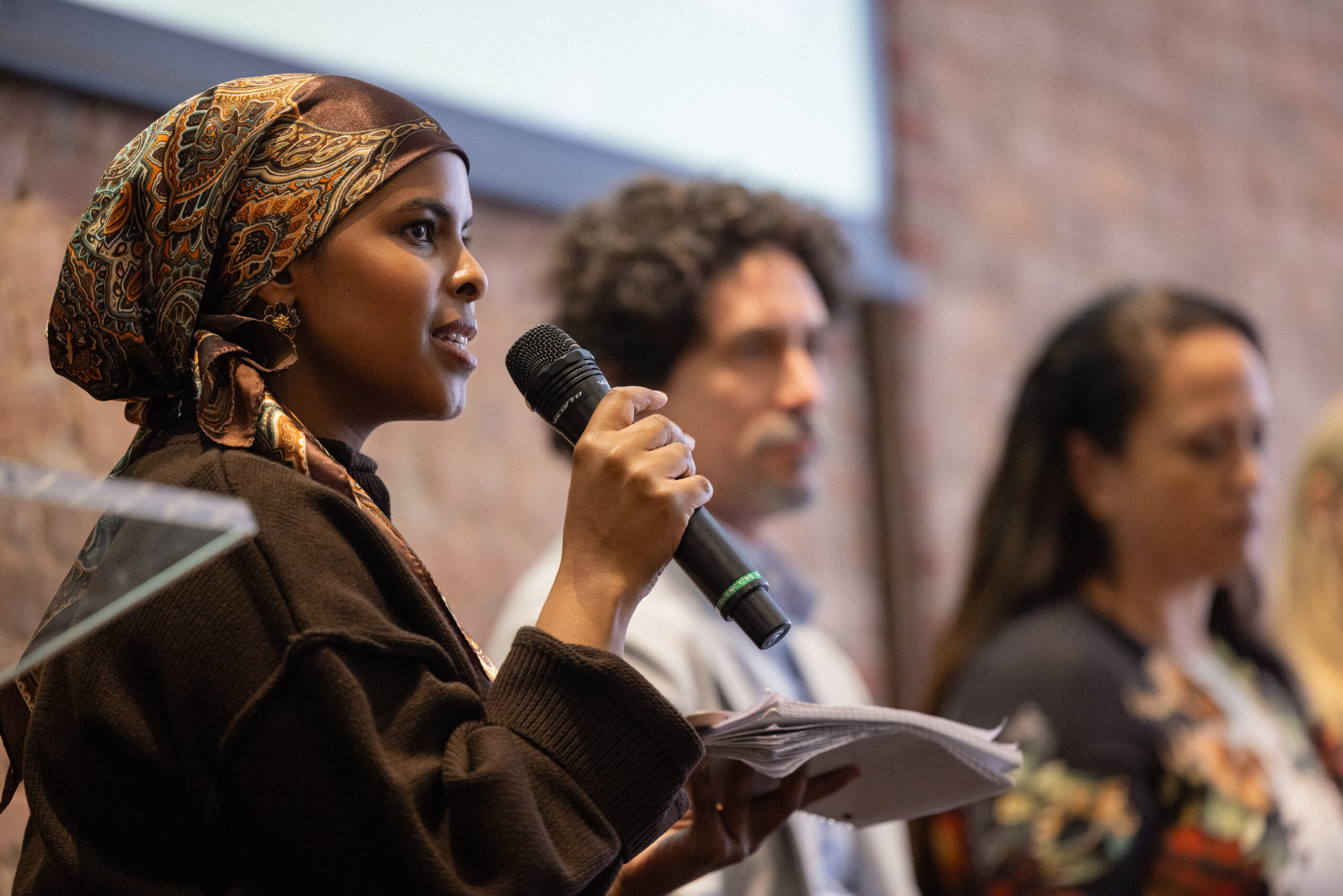
What we heard at New York Climate Week
Five panels in the Flatiron district, and the ideas that flowed through each panel On September 22, we spent a full day talking about how carbon removal solutions can move …
Read MoreThe Lab
Emerging ideas from the experts at Carbon180
-
Communicating carbon removal in a fractured media landscape
You can’t persuade someone who doesn’t know you exist. 63% of Americans have heard nothing at all about carbon removal.1 In reality, that number is almost certainly higher when you …
-
Introducing agroforestry champions in America’s breadbasket
The integration of trees and shrubs into production agriculture, known as agroforestry, is recognized by the international scientific community as one of the most effective strategies to sequester carbon, rebuild …
-
Carbon removal and the path back to 1.5°C
A growing number of reports warn that the world is crossing over the 1.5℃ threshold set out in the Paris Agreement and into overshoot. In some contexts, “overshoot” simply means …
The Latest
-
![]()
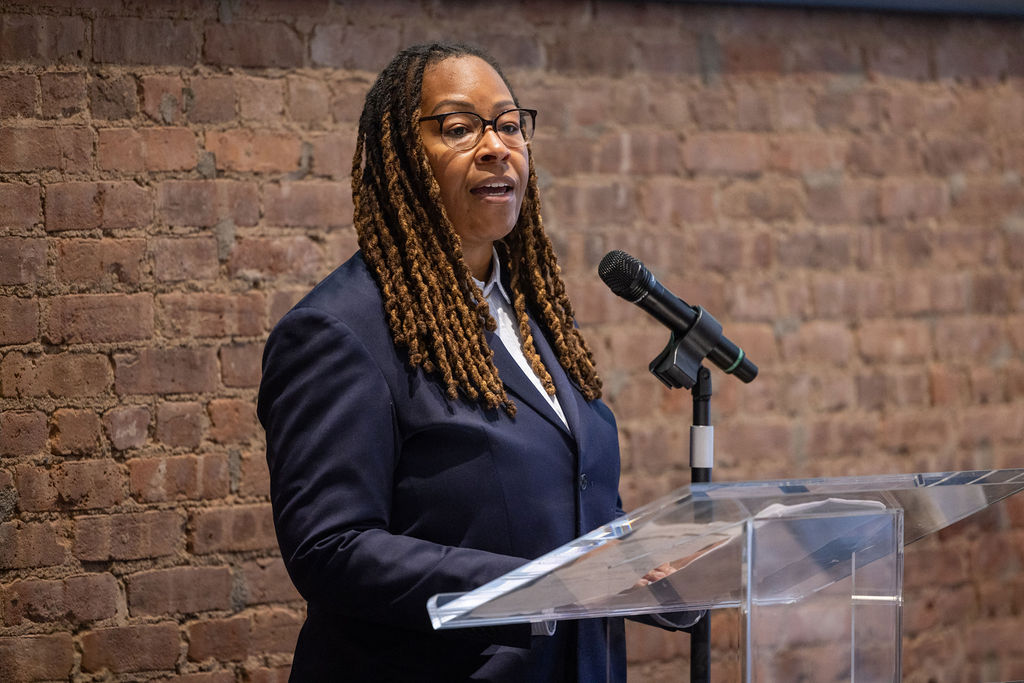
Moving at the speed of trust
We convened on the unceded ancestral homelands of the Mohican and the Munsee Lenape peoples. I want to begin by acknowledging their enduring relationship to this land and by recognizing …
-
![]()
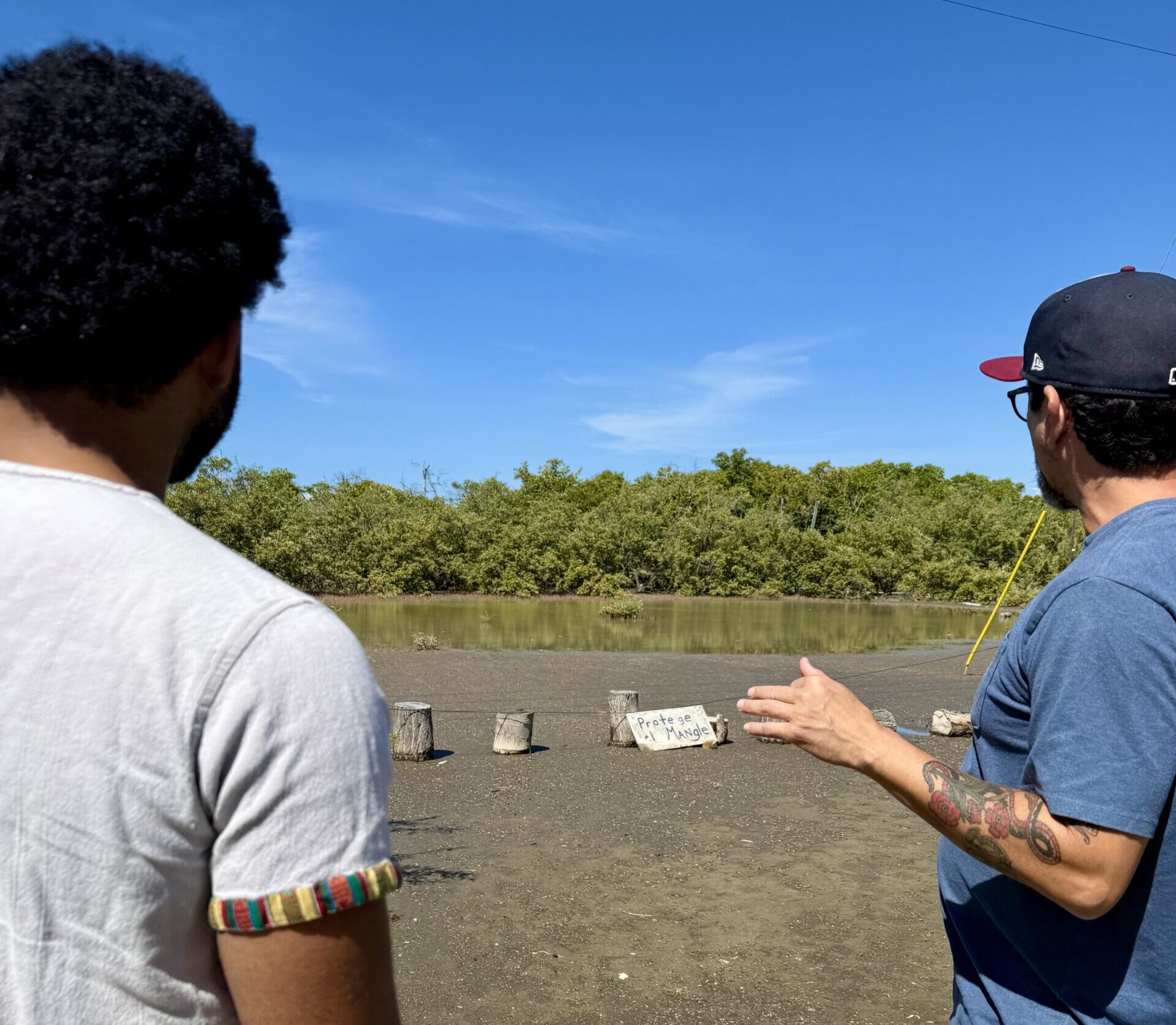
¡Protege el Mangle! What we learned about multigenerational ecosystems-based management in Puerto Rico
If you want to see the previous pieces, please click here to learn more about the Hawai’i site visit and here to learn more about the Alaska site visit. Part …
-
![]()
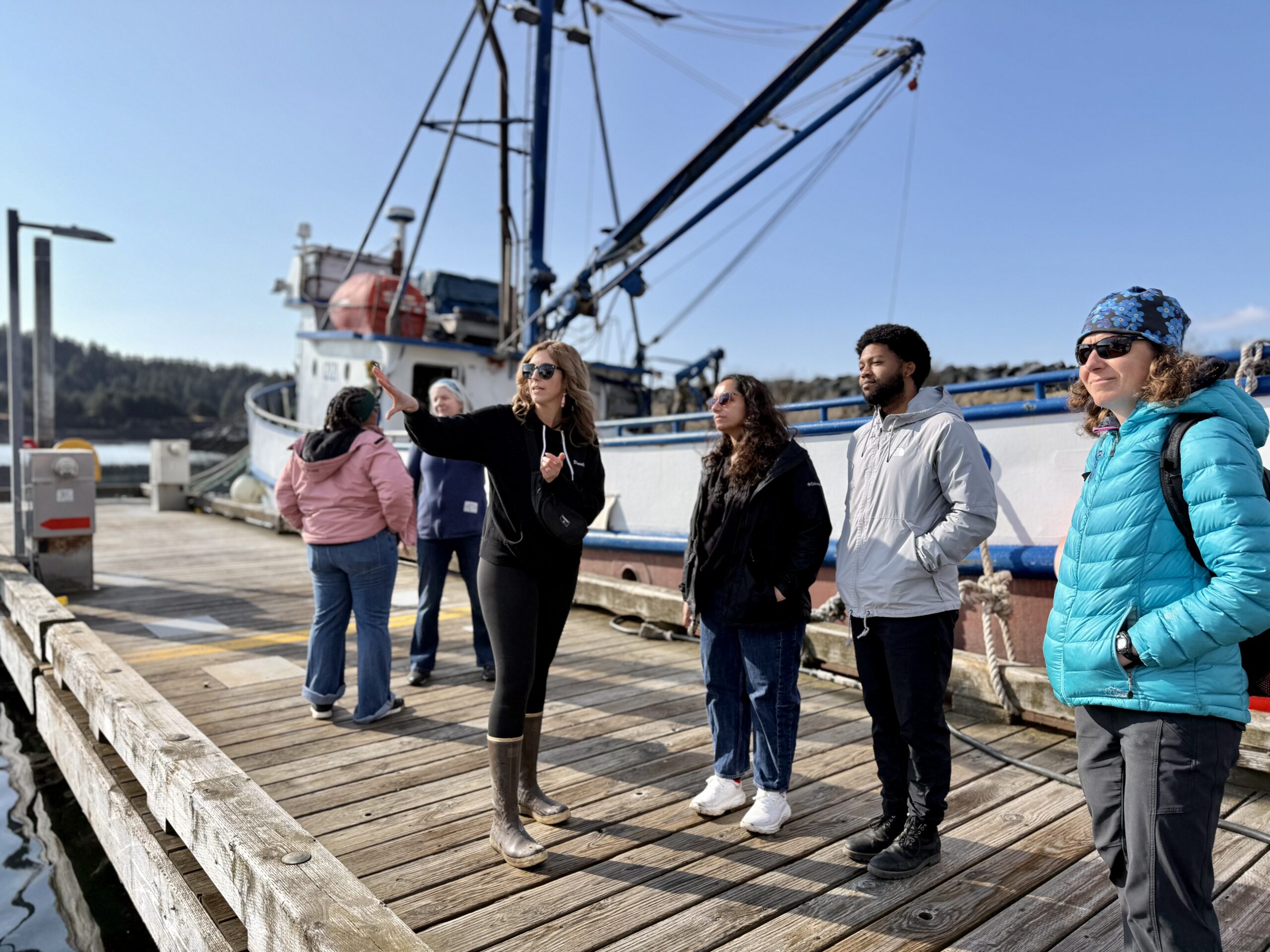
Offshore Is My Backyard, and What We Learned From Coastal Alaska
Our team traveled to Alaska for breakup. No, not for a rerun of Ross and Rachel. But rather, the time of year that Alaska starts to thaw and the thick …
-
![]()
From Mountain to Sea, and What Hawaiʻi Can Teach Us About Community-Led Climate Solutions
In March, we traveled to Hawaiʻi to visit ‘Āina Momona, one of the first awardees of our Making Waves Coastal Community Regranting Initiative. Our plan was to deepen our relationship …